
Views: 0 Author: Site Editor Publish Time: 2025-09-23 Origin: Site


When planning a long-term solution for heating, cooling, and hot water, many property owners turn to the efficiency of a Ground Source Heat Pump. At Ruidong Group, we understand that one of the most common questions customers ask is: what really determines the cost, and how can you judge whether the investment is worthwhile? While exact numbers vary from project to project, there are clear factors that shape total price, the complexity of installation, and how quickly you can achieve payback. This guide explains those elements so you can make a confident decision about installing a Ground Source Heat Pump for your building.
Every Ground Source Heat Pump system is made up of two major components: the indoor unit and the ground loop. The indoor unit resembles a conventional heating and cooling system and is typically straightforward to install inside the building. The ground loop, however, is where costs can differ widely. Vertical drilling is often used in limited land areas, while horizontal trenching is possible when more space is available. In some cases, a pond or lake loop offers a natural alternative. Each method has its own equipment, labor, and engineering requirements, so the loop design has a major influence on the overall cost.
Beyond the system components, the specific conditions of your property play a big role. Soil composition, rock layers, and groundwater availability can all affect drilling or trenching. A location with soft soil may be faster to complete, while rocky ground can take longer and require heavier machinery. Space availability is another key issue: an open lot can allow for a simpler horizontal loop, while a confined urban site often requires vertical drilling. Because of these differences, no two installations are ever exactly alike, which is why working with an experienced supplier like Ruidong Group is so important.
In addition, building size and usage patterns directly affect the sizing of the system. A larger property or a commercial facility with high heating and cooling demand will require a more extensive loop and larger capacity equipment. Residential homes, on the other hand, may achieve good efficiency with smaller systems, but proper design is crucial to avoid undersizing or oversizing.
Depending on your region, you may need permits or environmental approvals before drilling begins. These steps are essential to ensure safety and compliance but can add both time and cost. In some areas, additional surveys of groundwater or environmental impact are required. Experienced contractors handle these steps efficiently, but they remain part of the process that influences your overall investment.
Another element often overlooked is site access. If drilling rigs or trenching equipment cannot easily reach the property, additional preparation may be needed. For example, narrow driveways, steep terrain, or existing landscaping can create challenges. Planning for access early ensures fewer delays and smoother installation.
Whether you are installing a Ground Source Heat Pump in a new building or retrofitting into an existing structure also matters. A new construction project allows designers to integrate the system into the overall building plan, often lowering complexity. Retrofitting requires adjustments to existing infrastructure, which can involve extra steps in design and labor. In older buildings, there may also be constraints on available space for indoor units or ductwork modifications, which must be carefully managed.
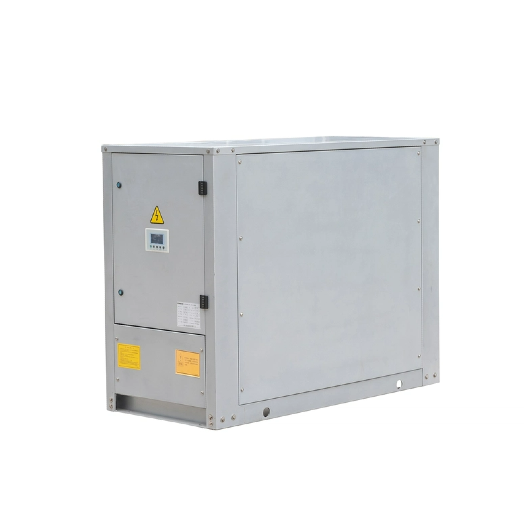
To understand long-term value, focus on efficiency metrics such as COP (Coefficient of Performance) for heating and EER (Energy Efficiency Ratio) for cooling. These figures show how much energy the system delivers compared to how much electricity it consumes. A higher rating means more efficient operation and lower running costs over time.
The cost of electricity in your area plays a major role in determining payback. If electricity is expensive, the relative savings from using a Ground Source Heat Pump will be greater compared to traditional systems. If electricity is less costly, payback still occurs but over a slightly longer timeline. Evaluating local utility rates helps you model realistic scenarios.
One of the strongest advantages of a Ground Source Heat Pump is its durability. Indoor units typically last 20 years or more, while ground loops can function for 50 years or longer with minimal maintenance. When you spread the initial investment across such a long operational life, the economics become more attractive, even with conservative assumptions. Furthermore, consistent efficiency throughout its lifetime means that your system is not only saving energy but also reducing carbon emissions compared with fossil-fuel-based heating.
Many governments encourage renewable energy adoption with financial incentives. These may take the form of tax credits, grants, or direct rebates that offset installation costs. The details vary by country and region, so it is important to research what is available in your market.
In addition to government programs, some utility companies offer rebates for customers who choose high-efficiency systems like Ground Source Heat Pumps. These rebates directly reduce upfront costs and improve payback timelines.
Some customers also choose financing solutions, spreading payments over several years. With predictable monthly costs, you can align savings on energy bills with loan repayments, making the transition smoother. Incentives combined with financing can substantially shorten the payback period. As financial markets increasingly prioritize sustainability, more banks and lenders are offering favorable terms for green energy investments, which further broadens accessibility for homeowners and businesses alike.
When reviewing quotes from different installers, always check what is included. A comprehensive proposal should cover system design, drilling or trenching, indoor unit installation, controls, and commissioning. If elements are missing, the total cost may appear lower at first glance but rise later.
Pay close attention to how the installer designs the loop system. The choice between vertical, horizontal, or water-based loops is not only a technical decision but also a cost driver. A well-designed loop ensures efficiency and longevity, while a poorly sized or constructed loop may cause issues.
Strong warranties on both equipment and installation give peace of mind. Many suppliers also offer maintenance packages to ensure long-term performance. Given the lifespan of a Ground Source Heat Pump, having reliable after-sales support is just as important as the initial installation. A professional partner like Ruidong Group can provide ongoing technical service, ensuring your system continues to operate at peak efficiency for decades.
A right Ground Source Heat Pump is not just an investment in heating and cooling—it is a long-term solution that brings energy efficiency, comfort, and reduced maintenance compared to traditional systems. The total price depends on system design, site conditions, and installation complexity, but with available incentives and careful planning, payback can be achieved within a reasonable period. Ruidong Group, with its expertise in HVAC system design and installation, provides complete support from assessment to project delivery. If you would like to explore whether a Ground Source Heat Pump is right for your property, contact us today for a no-cost site consultation and a detailed guide on what to ask your installer.