Views: 0 Author: Site Editor Publish Time: 2026-07-01 Origin: Site


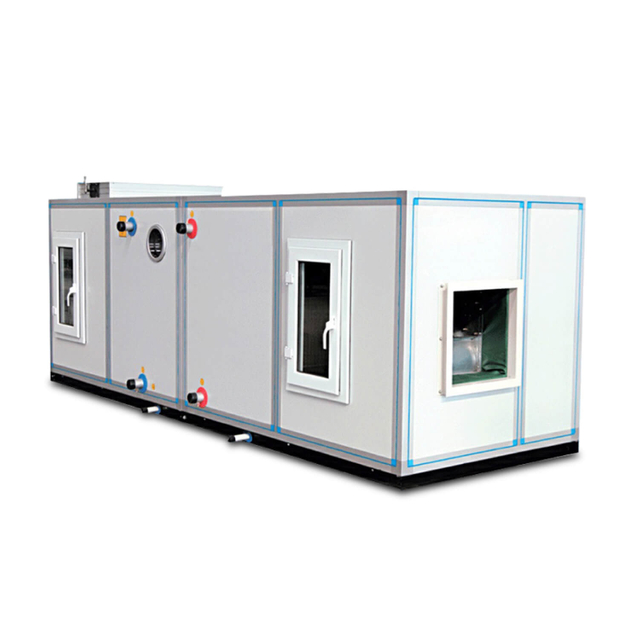
In the rapidly evolving landscape of modern building management and industrial climate control, the demand for highly efficient, adaptable, and reliable environmental management systems has never been greater. At the heart of these sophisticated infrastructure networks is the combined air handling unit, a critical component designed to regulate and circulate air as part of a comprehensive heating, ventilating, and air-conditioning system. The RUIDONG Advanced Combination Air Handling Units with Low Noise Operation represent a significant leap forward in this domain. Manufactured by Ruidong or available as an OEM solution, these combination air handling units are meticulously engineered to address the complex and multifaceted requirements of contemporary commercial, industrial, and specialized facilities. By integrating advanced materials, a highly customizable modular structure, and a strong emphasis on acoustic performance, this category of air handling units stands out as a premier choice for facility managers and engineers seeking to optimize indoor air quality, thermal comfort, and overall operational efficiency.
The progression of climate control technology has seen a shift from rudimentary ventilation systems to highly complex, integrated solutions. A modern combined air handling unit is not merely a fan in a box; it is a sophisticated assembly of functional sections that work in unison to condition the air to precise specifications. The RUIDONG Advanced Combination Air Handling Units with Low Noise Operation exemplify this evolution through their modular structure. This modularity is a cornerstone of their design, allowing for the integration of independent functional sections tailored to specific project requirements. These sections can include modules for supply and return air, exhaust, filtration, heating, cooling coils, humidification, sound attenuation, and heat recovery. Such a comprehensive array of functional capabilities ensures that the system can be precisely calibrated to meet the diverse air handling requirements of virtually any environment, from standard office spaces to highly regulated cleanrooms.
Understanding the efficacy of the RUIDONG Advanced Combination Air Handling Units with Low Noise Operation requires a detailed examination of their core components and structural design. The cabinet construction is of paramount importance in any air handling system, as it dictates the unit's thermal performance, structural integrity, and resistance to environmental factors. These units feature a robust double-wall cabinet design. The exterior is constructed using double-sided color-coated steel panels, providing a durable and aesthetically pleasing finish that resists wear and tear. However, the true innovation lies within the walls. The inner core is filled with high-density polyurethane foam insulation. This insulation material is specified at a density of greater than or equal to 50 kg/m³, ensuring exceptional thermal resistance. Furthermore, facility managers can choose between insulation panel thickness options of 25 mm and 50 mm, allowing for customization based on the specific thermal demands and energy efficiency goals of the building. This meticulous double-wall construction with premium polyurethane foam insulation is specifically designed to minimize air leakage and virtually eliminate thermal bridging, thereby maintaining the conditioned air's temperature and reducing the overall energy burden on the system.
Thermal bridging is a critical concern in HVAC design, as it can lead to energy loss and, more problematically, condensation. The RUIDONG units address this with a comprehensive thermal bridge-free design. This design philosophy extends to the inclusion of an integrated large drip pan. In many conventional systems, condensation can accumulate, leading to water droplets, potential leaks, and the subsequent risk of microbial growth or structural damage. The integrated large drip pan in these units is engineered to prevent the accumulation of water droplets and condensate entirely, thereby eliminating the risk of leaks and ensuring a dry, hygienic internal environment. This feature is particularly crucial in applications where air purity and moisture control are non-negotiable.
In many commercial and specialized environments, the acoustic footprint of mechanical equipment is just as important as its thermal performance. Excessive noise from HVAC systems can disrupt workplace productivity, compromise the comfort of hotel guests, or interfere with sensitive laboratory equipment. Recognizing this, the RUIDONG Advanced Combination Air Handling Units with Low Noise Operation incorporate several specialized features to mitigate operational noise and vibration. The system utilizes a vibration-isolating flexible connection design. This engineering approach effectively decouples the vibrating components from the rigid structure of the unit and the building, preventing the transmission of mechanical noise through the ductwork or the building's framework.
Furthermore, the primary air-moving component—the fan—is equipped with high-precision ball bearings. These bearings are selected specifically for their ability to operate smoothly and quietly, significantly reducing the acoustic output of the fan assembly while simultaneously ensuring a long service life. The motor driving the fan also features a tempered motor shaft that has undergone a specialized surface anti-corrosion treatment. This treatment not only protects the shaft from environmental degradation but also ensures long-term operational reliability, maintaining the precise balance required for continued low-noise operation over the lifespan of the equipment. Together, these acoustic and mechanical refinements create a highly effective solution for environments that demand stringent noise control.
At the core of the thermal conditioning process is the heat exchanger. The RUIDONG units utilize a highly efficient heat exchanger constructed with copper tubes and hydrophilic aluminum fins. The choice of copper for the tubes is driven by its exceptional thermal conductivity, allowing for rapid and efficient heat transfer between the thermal fluid and the passing air stream. The addition of hydrophilic aluminum fins further enhances this process. The hydrophilic coating prevents moisture from bridging between the fins, which can restrict airflow and reduce heat transfer efficiency. Instead, condensation forms as a thin film and drains away rapidly, ensuring that the heat exchanger operates at peak performance even under high humidity conditions. This combination of materials significantly improves the overall heat exchange efficiency of the unit.
In modern building design, energy conservation is a primary objective. To support this goal, the RUIDONG units offer an optional heat recovery section. This functional module is designed to capture thermal energy from the exhaust air stream and transfer it to the incoming fresh air stream. By pre-conditioning the supply air using energy that would otherwise be wasted, the heat recovery section substantially reduces the system's operating energy consumption. This not only lowers utility costs for the facility but also contributes to a more sustainable and environmentally responsible building operation profile.
One of the most significant challenges in HVAC system deployment is integrating large equipment into existing or complex architectural spaces. The RUIDONG Advanced Combination Air Handling Units address this challenge through their highly adaptable configuration options. The modular nature of the system allows it to be configured in straight-through, L-shaped, and Z-shaped layouts. This remarkable flexibility ensures that the unit can adapt to specific application requirements and spatial constraints, whether it needs to be installed in a narrow mechanical room, a low-clearance ceiling plenum, or a complex rooftop arrangement. This adaptability makes it an ideal choice for both new construction projects and retrofitting existing buildings where space is at a premium.
The installation and maintenance protocols for these units have also been designed with efficiency in mind. The modular design allows for the delivery of the complete unit in manageable sections, facilitating easier transportation and on-site installation. Once installed, the system requires ongoing maintenance to ensure optimal performance. To streamline this process, the units are equipped with tool-free access panels. These panels can be easily removed and installed without the need for specialized tools, ensuring that routine inspections, filter replacements, and interior cleaning can be performed quickly and safely. This simple and quick maintenance operation minimizes system downtime and reduces the overall labor costs associated with facility upkeep.
The robust construction, customizable modularity, and stringent performance characteristics of the RUIDONG units make them suitable for a vast array of applications across multiple demanding industries. Each sector presents unique challenges that these units are specifically equipped to handle.
In the realm of industrial manufacturing, maintaining precise environmental conditions is often critical to the production process. Industrial cleanrooms require strict control over particulate matter, temperature, and humidity. The RUIDONG units are highly suited for these environments, including electronics manufacturing facilities where microscopic dust can ruin sensitive microchips. Similarly, in precision machinery manufacturing, thermal stability is required to prevent the expansion or contraction of metal components during fabrication. Textile workshops benefit from the precise humidity control to prevent static electricity and yarn breakage, while automotive paint shops rely on the filtration and exhaust capabilities to ensure a flawless finish and a safe working environment. The modular filtration sections and thermal bridge-free design are essential in these applications to prevent contamination and maintain the integrity of the cleanroom environment.
The pharmaceutical industry operates under some of the most stringent regulatory standards in the world. Good Manufacturing Practice (GMP) pharmaceutical plants require HVAC systems that can guarantee absolute air purity and prevent cross-contamination. The RUIDONG units, with their advanced filtration options and leak-preventing integrated drip pans, are ideal for these critical applications. Furthermore, in healthcare settings such as hospital operating rooms and Intensive Care Units (ICUs), the reliability and hygiene of the air handling system are matters of life and death. The ability to incorporate specialized filtration and humidification sections ensures that these critical care environments receive a continuous supply of clean, properly conditioned air. Additionally, the units are suitable for maintaining the environments around purified water facilities, where preventing airborne contamination of the water supply is paramount.
In the food industry, specifically within food processing plants, controlling the environment is essential for maintaining product quality, extending shelf life, and ensuring food safety. The RUIDONG units help manage temperature and humidity to prevent the growth of mold and bacteria. The easy-to-clean interior, facilitated by the tool-free access panels, ensures that the units themselves do not become a source of contamination. Similar standards apply to cosmetics production facilities, where the consistency and purity of the final product depend heavily on the environmental conditions during manufacturing. The robust double-wall cabinet and high-density polyurethane insulation ensure that the internal conditions remain stable regardless of external fluctuations.
Beyond specialized industrial applications, the RUIDONG units are highly effective in large-scale commercial buildings. Office buildings require reliable and quiet air conditioning to maintain occupant comfort and productivity. The low-noise features, such as the vibration-isolating connections and high-precision ball bearings, make these units ideal for office environments. Shopping malls and hotels demand systems that can handle highly variable occupancy loads while maintaining a comfortable atmosphere for guests and shoppers. Sports arenas and exhibition centers require massive air volume handling capabilities to manage the heat and humidity generated by large crowds. Subways and airports present unique challenges regarding air distribution and exhaust management in vast, open spaces. In all these commercial scenarios, the flexibility of the straight-through, L-shaped, and Z-shaped layouts proves invaluable in integrating the combined type air handling unit into complex architectural designs.
Certain facilities have highly specialized requirements that demand robust and reliable environmental control. Data centers, for example, generate immense amounts of heat that must be continuously removed to prevent equipment failure. The high-efficiency heat exchangers with copper tubes and hydrophilic aluminum fins are crucial for managing these high thermal loads. Laboratories require precise control over airflows and pressure differentials to ensure the safety of personnel and the accuracy of experiments. Chemical processing facilities often require robust construction to withstand potentially corrosive environments, making the color-coated steel panels and anti-corrosion treated motor shafts highly beneficial. In these demanding environments, a comprehensive HVAC combined AHU system is essential for safe and continuous operation.
When selecting an air handling unit for any commercial or industrial application, safety and regulatory compliance are critical factors. The materials used in the construction of the RUIDONG Advanced Combination Air Handling Units are carefully selected to meet strict safety standards. Specifically, the high-density polyurethane foam insulation used in the double-wall cabinet meets the Class B1 fire resistance standard. This certification indicates that the material is flame retardant, providing an added layer of safety and peace of mind for building owners and facility managers. Adherence to such standards is often a strict requirement in building codes, particularly for public commercial spaces and high-risk industrial facilities.
Implementing a sophisticated air handling system requires careful planning, precise engineering, and ongoing support. The modular nature of the RUIDONG units allows engineers to tailor the system precisely to the calculated load requirements of the building. Whether the project requires extensive sound attenuation for a performing arts center or advanced heat recovery for a green building initiative, the functional sections can be specified and integrated seamlessly. For facility managers and engineers navigating these complex configurations, accessing reliable air handling unit technical support is vital to ensure that the system is designed, installed, and maintained correctly to achieve its maximum operational potential and lifespan.
The RUIDONG Advanced Combination Air Handling Units with Low Noise Operation represent a highly versatile, efficient, and reliable solution for modern climate control needs. By combining a flexible modular structure with high-quality materials such as Class B1 high-density polyurethane insulation, copper tube heat exchangers with hydrophilic aluminum fins, and robust double-wall color-coated steel cabinets, these units deliver exceptional thermal performance and durability. The meticulous attention to acoustic design, featuring vibration-isolating connections and high-precision ball bearings, ensures quiet operation suitable for the most noise-sensitive environments. With configurable layouts, tool-free maintenance access, and the ability to serve a vast array of demanding applications—from industrial cleanrooms and GMP pharmaceutical plants to large-scale commercial buildings and data centers—these units offer immense practical value, providing facility managers and engineers with a dependable, customizable, and energy-efficient system to maintain optimal indoor environmental quality across diverse sectors.