
Views: 0 Author: Site Editor Publish Time: 2025-09-29 Origin: Site


When homeowners and facility managers look for a system that delivers heating, cooling, and hot water with minimal hassle, the Ground Source Heat Pump stands out. Unlike conventional air-conditioning systems that rely on exposed outdoor equipment, these units keep the most important components indoors and use an underground loop system that rarely requires attention. For Ruidong Group customers, this translates into fewer maintenance issues, reduced downtime, and a system designed to last for decades. By eliminating the need for cooling towers or roof fans, GSHPs immediately reduce both complexity and long-term service demands.
Traditional central air conditioners and air-source heat pumps depend on outdoor condensers, roof fans, or cooling towers that are exposed to rain, snow, and dust. These components not only drive up installation costs but also require constant upkeep to avoid performance loss. In many climates, seasonal storms, ice, and airborne debris shorten the lifespan of outdoor equipment dramatically.
With a Ground Source Heat Pump, the main operating unit is installed indoors, safe from weather extremes. The underground loop system that circulates fluid is sealed and buried beneath the frost line, where it is naturally insulated and protected. Because the loop material is designed to resist corrosion and damage, it can often remain functional for 50 years or more with little intervention. This indoor-outdoor balance explains why GSHP owners rarely face the same repair cycles that plague traditional outdoor systems.
By housing compressors, controls, and pumps indoors, GSHPs reduce the risk of weather-related faults. Indoor placement also makes routine servicing easier and safer for technicians, as components are not on rooftops or exposed to harsh climates. For building owners, this means no disruptions from loud outdoor condensers or the need to schedule roof access for simple inspections.
The buried loop is designed to withstand ground pressure and temperature stability. Unlike exposed coils that can freeze, rust, or accumulate debris, the ground loop quietly functions in a closed environment. Its performance does not depend on external weather fluctuations, which is why efficiency stays consistent year after year. This unique design is one of the strongest reasons these systems carry lower lifetime maintenance requirements.
While a Ground Source Heat Pump reduces outdoor work, it still benefits from basic care to ensure efficient operation. Fortunately, many of these tasks are simple enough for homeowners to manage, while others can be scheduled during annual service visits.
Air filters should be inspected monthly and replaced every three to six months depending on usage. Clean filters improve airflow and efficiency, keeping indoor air quality high. In larger facilities or households with pets, filters may need to be replaced more often to prevent dust buildup.
The circulation pump is essential for moving fluid through the loop. Homeowners can periodically confirm system pressure levels remain stable, while technicians should inspect pump performance annually. Early detection of pressure irregularities helps avoid bigger faults later.
Although refrigerant systems are sealed, a professional should verify proper charge levels and compressor operation once a year. This ensures the system maintains peak heating and cooling output. A well-maintained compressor also improves energy efficiency, directly lowering operating costs.
Technicians should also review the loop connections and fittings to detect any rare leaks early. Preventive checks avoid costly repairs later and extend component life. A simple inspection schedule can save homeowners significant expenses over the lifespan of the system.
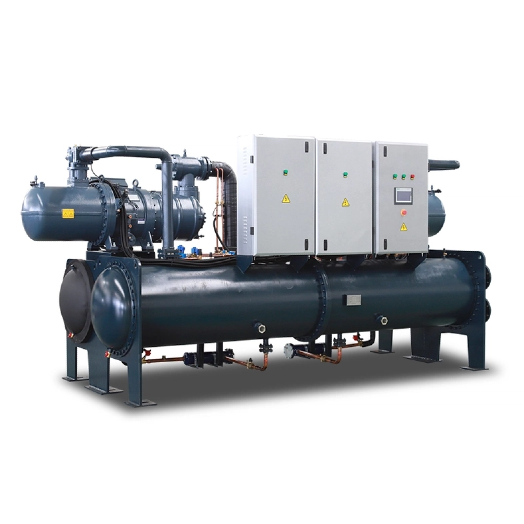
No mechanical system is entirely free from issues. The key to maximizing GSHP performance is catching small irregularities before they develop into major faults.
If homeowners notice the system running longer than usual or failing to maintain set temperatures, it could indicate reduced loop efficiency. Early detection allows technicians to clean strainers or adjust flow before bigger problems develop. Monitoring tools can provide data to spot this trend earlier.
While GSHPs are known for quiet operation, any new rattling or buzzing sounds should prompt an inspection. These could point to loose connections, pump cavitation, or failing bearings. Identifying the source early ensures a quick, inexpensive fix rather than a system replacement.
Incorrect thermostat readings or failure to switch modes can often be resolved through quick recalibration or software updates. Addressing small control faults early prevents discomfort and unnecessary energy use.
A practical way to think about system care is to start with the basics:
Check thermostat settings.
Review filter condition.
Listen for unusual noises.
Confirm air flow at vents.
Call a technician if performance does not improve.
This simple flow keeps homeowners proactive without requiring technical expertise.
One of the most attractive benefits of a Ground Source Heat Pump is its long operational life when paired with proper maintenance and warranty support.
Indoor equipment such as compressors and controls typically lasts 20 to 25 years, significantly longer than outdoor condensers in conventional systems. With preventive service, these lifespans can extend even further. Many users report indoor components lasting well beyond 25 years when properly maintained.
The ground loop itself can remain effective for over 50 years, meaning most property owners will never need to replace it within their ownership period. This durability underscores the system’s long-term value. Unlike outdoor metal coils that degrade visibly, the loop system is engineered for half a century of service.
Most warranties cover parts like compressors and heat exchangers for a decade or more, while some manufacturers extend coverage to loop components.
Modern GSHPs can be paired with monitoring tools that give property owners and service providers real-time insights into performance. This approach reduces the risk of unexpected failures and helps optimize system efficiency.
Smart sensors can track loop temperature, pressure, and indoor comfort levels. Reviewing these readings helps ensure the system operates within ideal ranges. For large projects, this data also supports energy audits and sustainability certifications.
Connected systems allow technicians to view performance data remotely, often spotting irregularities before the homeowner notices them. This leads to quicker interventions and shorter downtime. In commercial properties, remote access reduces service calls and prevents interruptions to operations.
Integrated alerts remind homeowners when to change filters or schedule professional service. These automated reminders ensure that small maintenance tasks are not overlooked. This feature is particularly valuable in multi-unit housing, where facility managers may not have time to manually check each system.
With no outdoor unit and a sealed underground loop, the Ground Source Heat Pump offers a clear maintenance advantage over traditional systems. For property owners who value reliability and long-term savings, choosing Ruidong Group’s advanced GSHP solutions means investing in a product built to last, with fewer disruptions and lower upkeep costs. To learn more about our products or arrange a preventive service plan, please contact us today.