Views: 0 Author: Site Editor Publish Time: 2026-08-12 Origin: Site


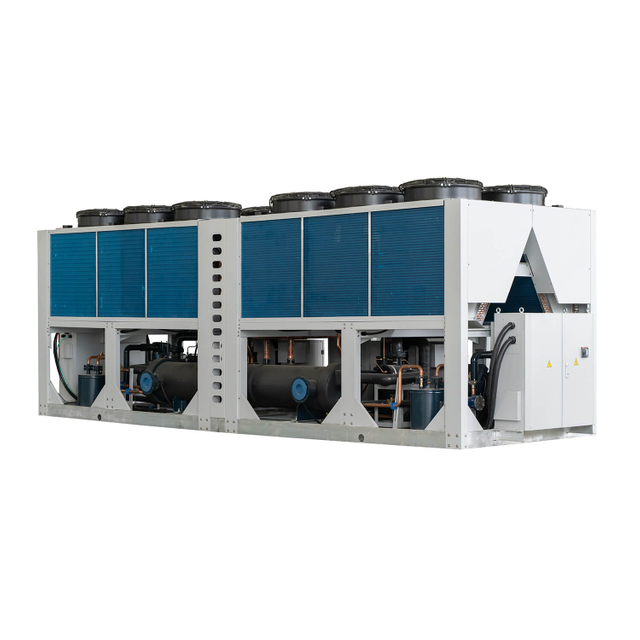
Food and beverage processing requires precise and reliable cooling to maintain product quality, safety, and consistency. From dairy production to beverage bottling, brewing, and meat processing, temperature control plays a vital role in ensuring the freshness, taste, and shelf life of products. Inconsistent cooling can lead to spoilage, compromised flavor, or even regulatory non-compliance, which can severely impact a brand's reputation and financial performance. Traditional cooling methods, including water-cooled systems, often face limitations such as high water usage, complex maintenance requirements, susceptibility to corrosion, and increased operational costs. Air Cooled Chillers provide an efficient, reliable, and flexible solution, delivering consistent cooling performance while reducing energy consumption, minimizing maintenance needs, and supporting sustainability initiatives in modern food and beverage facilities. Their compact design and modular capabilities also allow seamless integration into existing production lines without requiring extensive infrastructure modifications.
Food and beverage manufacturing encompasses a wide range of processes, each with specific cooling requirements. Air Cooled Chiller technology is adaptable to these varied needs, providing consistent temperature control across production lines.
Milk, yogurt, and cheese require strict temperature management during pasteurization, fermentation, and storage. Air cooled chillers ensure that milk is rapidly cooled after pasteurization to prevent bacterial growth and maintain freshness. For cheese and yogurt production, precise temperature control is essential during fermentation to achieve the desired texture, consistency, and flavor. Chillers also maintain cold storage areas where raw materials and finished products are stored, ensuring compliance with safety standards such as HACCP.
Soft drinks, juices, and other beverages rely on controlled cooling to maintain quality during filling, packaging, and storage. Chilled water from air cooled chillers is used in process lines to cool bottles and cans, stabilize carbonation, and ensure consistent flavor and appearance. Efficient cooling reduces production downtime, prevents product degradation, and improves bottling line throughput. Furthermore, precise temperature control helps minimize microbial growth and extend shelf life, which is crucial for maintaining brand reputation and regulatory compliance.
Brewing involves multiple stages that generate heat, including mashing, fermentation, and conditioning. Temperature fluctuations during these stages can negatively affect yeast activity, fermentation rates, and final product quality. Air cooled chillers provide precise cooling for fermentation tanks, wort cooling, and cellar conditioning, ensuring that beer and wine maintain their intended flavor profiles, consistency, and aroma. They also allow brewers to optimize production schedules, maintain high product quality, and reduce energy costs associated with cooling large volumes of liquid.
Meat processing plants, seafood facilities, and frozen food factories require rapid and uniform cooling to prevent microbial growth and maintain product quality. Air cooled chillers deliver consistent cold water to cooling tunnels, blast chillers, and freezers, ensuring that products remain within safe temperature ranges. By maintaining precise cooling, facilities can minimize spoilage, meet strict food safety regulations, and increase the shelf life of perishable goods. The ability to quickly lower product temperatures also enhances operational efficiency and enables higher production volumes.
Air cooled chillers offer several advantages that make them particularly suitable for the food and beverage industry.
Stable temperature control ensures product quality and consistency, from taste and texture to shelf life. Air cooled chillers maintain precise cooling even under continuous production conditions, reducing the risk of spoilage or batch rejection. Consistent cooling also reduces energy spikes and stabilizes process temperatures, which helps protect equipment and enhances operational reliability.
Food and beverage facilities must adhere to strict hygiene and safety standards, such as HACCP, FDA, and ISO regulations. Air cooled chillers minimize contamination risks by eliminating the need for large water cooling systems, which can harbor bacteria if not properly maintained. Additionally, air cooled systems reduce the use of chemical water treatments, further lowering potential environmental and health risks.
Air cooled chillers are compact and do not require additional water infrastructure, making them suitable for factories with limited space or varying layouts. They can be installed outdoors or in confined areas, providing cooling directly to production equipment and processes. Their modular design allows for easy capacity expansion to match production growth, seasonal demand variations, or new product lines.
Air cooled chillers utilize advanced scroll compressors and optimized heat exchangers, ensuring high efficiency while minimizing energy consumption. Energy-efficient operation translates into lower electricity bills and reduced environmental impact. Many modern air cooled chiller systems also feature variable-speed fans and intelligent controls, enabling facilities to adjust cooling output based on real-time demand, further enhancing energy efficiency.
Reliable cooling systems directly affect production efficiency, product quality, and profitability in food and beverage processing.
Reliable cooling prevents production interruptions caused by overheating, process instability, or equipment malfunction. This ensures smooth operations and consistent product output, which is particularly important for high-volume facilities or continuous production lines.
By maintaining optimal operating temperatures, air cooled chillers reduce thermal stress on production machinery, minimizing wear and tear and extending the lifespan of pumps, mixers, and conveyors. Longer equipment life lowers capital expenditure and maintenance costs while improving overall operational reliability.
The combination of energy efficiency, low maintenance requirements, and reduced water usage allows facilities to significantly cut operational costs. Air cooled chillers reduce energy consumption compared to traditional water-cooled systems and eliminate the need for water treatment and tower maintenance.
Modular air cooled chiller designs allow manufacturers to add capacity as production demand grows, without major infrastructure modifications. This flexibility supports new product lines, seasonal production spikes, or plant expansions, making air cooled chillers a long-term investment that adapts to evolving business needs.
Environmental responsibility is a key focus for modern food and beverage companies. Air cooled chillers contribute to sustainability initiatives in several ways.
Unlike water-cooled chillers, air cooled systems do not require large volumes of water for heat rejection. This reduces the strain on local water resources, eliminates water treatment requirements, and supports eco-friendly production practices.
High-efficiency compressors and optimized airflow reduce energy consumption, directly lowering greenhouse gas emissions associated with electricity use. Energy-efficient cooling supports corporate sustainability goals and helps companies comply with environmental regulations.
Many food and beverage companies are transitioning to green factory operations. Air cooled chillers align with these initiatives by minimizing environmental impact while maintaining high production standards. Their energy efficiency, water savings, and reduced chemical usage make them ideal for sustainable manufacturing strategies.
Dairy Plant – Air cooled chillers maintained consistent cooling for pasteurization lines, fermentation tanks, and storage areas, improving product consistency and reducing energy costs.
Beverage Facility – Chillers cooled beverage lines and bottling equipment, ensuring stable carbonation, preventing spoilage, and enabling higher production throughput.
Brewery – Air cooled chillers precisely regulated fermentation and cellar temperatures, enhancing beer flavor profiles and improving batch reliability.
Frozen Food Factory – Blast freezer and cold storage systems equipped with air cooled chillers ensured rapid cooling, product safety, and extended shelf life, supporting large-scale distribution.
Air Cooled Chiller systems provide the food and beverage industry with reliable, energy-efficient, and flexible cooling solutions. Ideal for dairy, beverage bottling, brewing, meat processing, and frozen food production, these chillers maintain stable temperatures, ensuring product quality, food safety, and consistent operational performance. Their compact design, easy installation, modular scalability, and low maintenance requirements make them a practical choice for modern processing facilities aiming to reduce energy costs and support sustainability initiatives. By implementing Ruidong Group’s Air Cooled Chiller solutions, manufacturers can optimize production efficiency, achieve long-term savings, and meet environmental and regulatory standards. Contact Ruidong Group today to explore tailored systems designed to enhance performance, safety, and sustainability in your facility.