Views: 0 Author: Site Editor Publish Time: 2025-09-15 Origin: Site


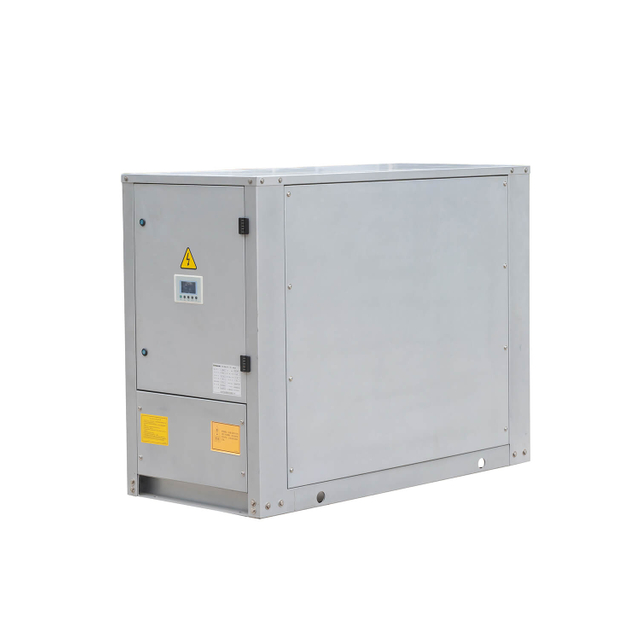
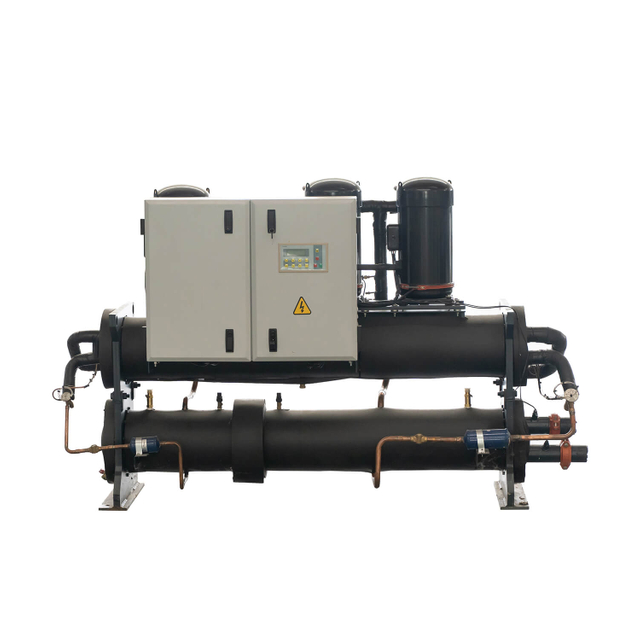
A Ground Source Heat Pump is an advanced HVAC solution that transfers stable underground energy into buildings to provide heating, cooling, and hot water. For commercial and industrial clients considering an alternative to conventional HVAC equipment, Ruidong Group offers ground source heat pump units that deliver year-round comfort and process heating with high efficiency, reliability, and lower long-term maintenance costs. By drawing on consistent ground temperatures, these systems can achieve performance that conventional equipment cannot easily match, making them a smart long-term investment for many commercial and industrial applications.
At the heart of a ground source heat pump lies the principle of transferring heat rather than generating it. The system uses buried loops of piping through which a water-based solution circulates. In the heating season, this fluid absorbs low-grade heat from the ground and carries it into the building. Inside the unit, a compressor raises the temperature to a useful level before distributing it through underfloor heating, radiators, ducted systems, or process circuits. In summer, the process is reversed: excess indoor heat is absorbed by the same loop and discharged into the cooler soil.
Closed-loop systems are the most common and can be installed horizontally in shallow trenches or vertically in boreholes, depending on land availability. Open-loop systems, meanwhile, use groundwater directly if sufficient quality and supply are available. Both options rely on the earth’s ability to remain thermally stable, providing a constant energy source regardless of surface weather changes.
The key to the success of a geothermal heat pump is the relative consistency of underground temperatures. Just a few meters below the surface, soil temperatures hold steady year-round, typically between 10–16°C depending on location. This stability ensures that the heat pump always works against a mild temperature difference rather than extreme outdoor air. When compared with an air-source system, which must battle freezing winds in winter or scorching sun in summer, the efficiency advantage becomes clear.
For commercial and industrial facilities, this means predictable performance: no dramatic drop in efficiency during cold snaps and fewer energy spikes during heat waves. That reliability is especially appealing for buildings with continuous HVAC or process-heat demands.
A ground source heat pump can deliver three to five times more energy than the electricity it consumes. This is expressed as the coefficient of performance (COP). A COP of 4, for instance, means that for every unit of electricity used, four units of heating energy are supplied to the facility. Even when outdoor conditions are harsh, the underground source remains steady, keeping performance consistent.
This high efficiency translates into reduced facility energy consumption. Unlike combustion-based systems, there is no direct on-site burning of fuel, which makes it both safer and environmentally friendlier. Buildings benefit from reliable heating and cooling, and where required, hot water for domestic use or industrial processes — all from one integrated system.
Another important benefit is quietness. Traditional chillers and air-cooled condensing equipment generate noticeable noise. By contrast, a ground source heat pump places most of its components indoors and underground, so the operation is substantially quieter. This makes it suitable for hospitality sites, office buildings, hospitals, and other applications where noise control is important.
The compact exterior footprint also matters. With no need for large rooftop chillers or cooling towers, the aesthetic and space impact on a property is reduced. It also means less exposure to weather elements, reducing wear and tear and lowering maintenance demands. Ruidong Group’s units are designed to minimize servicing with robust protection systems and user-friendly controls.
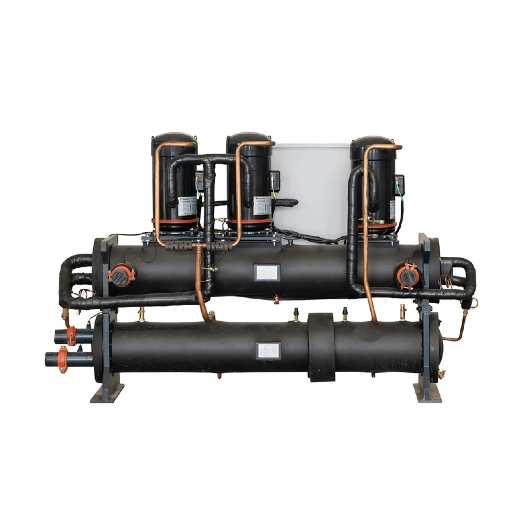
Ground source heat pumps are typically best suited to commercial, institutional, or industrial projects rather than standard single-family homes. The feasibility depends largely on available land area, soil conditions, and geological factors. Horizontal loops require space, making them easier to install on campuses, industrial parks, or suburban commercial lots. Vertical boreholes, though more expensive to drill, allow installation where surface space is limited and are commonly used for multi-storey buildings or urban developments.
Soil type also plays a role. Moist soils with good thermal conductivity transfer heat more effectively than dry or sandy soils. Likewise, regions with consistent groundwater supply may benefit from open-loop systems. Climate is another signal: colder areas or facilities with high, continuous heating demand particularly benefit from the stability of underground energy.
Owners should also consider existing HVAC infrastructure. Buildings already fitted with extensive ductwork, hydronic systems, or underfloor heating can integrate GSHPs more readily. Because of the higher upfront cost and civil works involved, GSHPs are most cost-effective for projects with long operational horizons or where large annual energy consumption justifies the investment.
There are situations where an alternative may be more practical. Small single-family residences, or sites where drilling is restricted or prohibitively expensive, may find air-source heat pumps or hybrid systems more viable. In areas with highly variable geology, where drilling might encounter bedrock or unsuitable soil layers, hybrid solutions that combine ground loops with auxiliary boilers or electric heaters can provide a reliable balance.
The most important step is to commission a professional site and feasibility survey. This assessment examines soil conditions, available land, and energy needs to recommend the best approach. Skipping this step risks installing a system that does not perform optimally for the building’s operational profile.
When speaking with a supplier or installer, facility managers and project owners should prepare a checklist of questions to ensure they fully understand the system being offered. Points to cover include:
What type of loop system is best for the site’s land size and geology?
How deep will boreholes need to go, and how many are required for the building’s load profile?
What lifespan and warranty are provided for both the heat pump unit and the buried ground loop?
What regular maintenance tasks are needed, and how will the supplier support ongoing service for a commercial installation?
Are there local permits, geological surveys, or environmental approvals needed before drilling?
What backup heating or redundancy options are provided for peak loads or maintenance periods?
Ruidong Group emphasizes clear communication and full transparency on these points, offering systems backed by robust certifications such as ISO9001, ISO14001, and CE. These give buyers confidence that the installation meets international safety and quality standards.
Performance should be understood in terms of two main metrics: COP for heating and EER for cooling. Both indicate how efficiently the system turns electricity into usable thermal energy. Because underground conditions stay mild and steady, these figures remain stable across seasons, unlike air-source alternatives whose ratings can fluctuate significantly.
This means that with a ground source heat pump, facility operators can plan energy use with confidence. Whether running the system in winter or summer, efficiency remains consistently high — a valuable trait for commercial operations and facilities with predictable heating/cooling schedules.
While the upfront capital expenditure for a GSHP is typically higher than conventional systems, the long-term operating savings, lower maintenance, and potential government incentives can make the investment attractive for commercial and industrial projects. Reduced reliance on fossil fuels also helps shield organizations from volatile energy markets.
The buried ground loop can last 50 years or more, becoming a long-term infrastructure asset similar to foundations or major utility lines. The indoor heat pump units generally last 20–25 years. For projects with long operational lifespans, these durability factors contribute to an appealing total cost of ownership.
A Ground Source Heat Pump offers an efficient, quiet, and reliable way to provide year-round heating, cooling, and hot water — especially for commercial, institutional, and industrial projects. Ruidong Group’s advanced ground source heat pump units feature intelligent control, multiple protection systems, and designs intended for low maintenance in commercial applications. If you manage a building or are planning a commercial/industrial project, commission a professional site survey to determine whether a GSHP is the right fit; for small single-family homes, discuss residential-scale alternatives such as air-source heat pumps which are often more practical and cost-effective.