Views: 0 Author: Site Editor Publish Time: 2026-08-13 Origin: Site


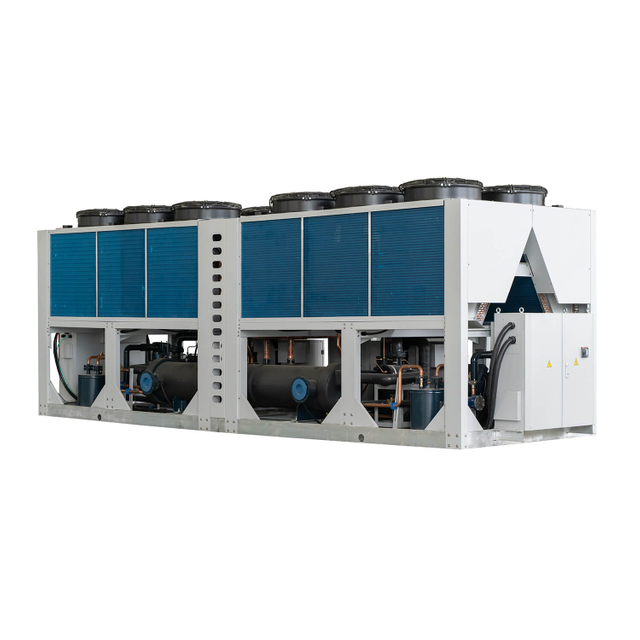
The pharmaceutical industry demands strict environmental control and precise temperature management at every production stage, from formulation to storage, to ensure product quality and safety. Even small fluctuations in temperature or humidity can affect drug stability and sensitive biological materials. Traditional cooling systems often fall short in performance, efficiency, and compliance. Air Cooled Chillers, paired with Heat Pump technology, offer an ideal solution, providing both cooling and heating, precise control, lower energy consumption, and a compact footprint. This integrated system suits laboratories, cleanrooms, production lines, and storage facilities. With rising demand for vaccines and biologics, these chillers help facilities maintain uninterrupted production, reduce energy costs, and meet strict regulatory standards efficiently and sustainably.
Pharmaceutical manufacturing involves processes that generate heat or require precise thermal conditions. Effective cooling is essential to maintain product integrity, ensure compliance with GMP standards, and optimize operational efficiency.
Chemical synthesis, formulation, and biotechnological processes often generate heat that must be removed promptly. Maintaining stable temperatures during reactions ensures consistent product quality. For biologics, vaccines, and sensitive chemical compounds, even slight temperature fluctuations can degrade potency or cause unwanted by-products.
Case Example: In monoclonal antibody production, fermenters operate at precise temperature ranges to ensure optimal cell growth. Any temperature deviation can reduce yield or compromise product quality. Air cooled scroll chillers provide continuous chilled water or coolant to these reactors, maintaining consistent temperatures and maximizing output efficiency.
Pharmaceutical cleanrooms require constant environmental conditions, including precise temperature and humidity levels, to prevent contamination and support sterile processing. Combining air cooled chillers with heat pump technology allows facilities to regulate both cooling and heating simultaneously. This ensures cleanrooms maintain optimal temperature and relative humidity, even during seasonal or operational fluctuations, minimizing risk of microbial growth or product contamination.
Modern pharmaceutical laboratories rely on sensitive analytical instruments such as HPLC systems, spectrometers, and incubators. Consistent cooling is essential to maintain the accuracy and reliability of these instruments. Heat-generating laboratory equipment requires efficient heat removal to maintain safe working environments. Air Cooled Scroll Chillers supply chilled water to laboratory systems, while integrated heat pumps recover or redirect energy for heating purposes, improving overall energy efficiency and reducing operational costs.

Combining Air Cooled Scroll Chillers with heat pumps offers several advantages that make them particularly suitable for pharmaceutical applications.
Traditional HVAC systems often require separate units for heating and cooling, increasing space requirements, complexity, and energy consumption. By integrating heat pump technology with air cooled chillers, pharmaceutical facilities achieve a unified system capable of both cooling and heating. This reduces equipment footprint, simplifies installation, and allows operators to manage thermal requirements from a single control interface.
Pharmaceutical production and research environments are governed by stringent GMP and FDA regulations. Maintaining tight temperature tolerances is essential for process validation and product quality. Air cooled scroll chillers, combined with intelligent control systems and heat pumps, allow for precise, real-time temperature adjustments. Facilities can maintain stability within ±0.5°C or better, ensuring regulatory compliance and safeguarding product quality.
Case Study: A vaccine production facility implemented a combined chiller and heat pump system to maintain consistent temperatures across multiple cleanrooms and storage areas. The result was a measurable improvement in process reproducibility and a significant reduction in batch losses due to temperature fluctuations.
The dual functionality of chiller and heat pump systems allows energy recovery, reducing overall power consumption. Waste heat generated during cooling can be repurposed via the heat pump to provide hot water or maintain room temperature, improving overall energy efficiency. This reduces electricity costs and minimizes environmental impact, supporting sustainability initiatives.
Data Example: Facilities using integrated chiller and heat pump systems have reported up to 20-30% energy savings compared to separate cooling and heating units, translating into substantial cost reductions over time.
R&D laboratories handling biologics, monoclonal antibodies, and cell cultures require stable temperature and humidity conditions. Integrated air cooled scroll chiller and heat pump systems provide continuous cooling to incubators, fermenters, and storage units, ensuring experiments and production runs maintain reproducibility and compliance.
Vaccine manufacturing involves temperature-sensitive materials. Cooling systems must maintain strict temperature ranges during antigen preparation, fermentation, purification, and filling processes. Air cooled chillers with heat pump integration provide high-capacity cooling while allowing controlled heating for sterilization processes, reducing energy use and improving operational reliability.
Case Example: A vaccine production line with 24/7 operations utilized modular air cooled chillers with heat pumps. The system provided uninterrupted temperature control, enabling continuous production without downtime and ensuring product quality.
Pharmaceutical packaging areas require controlled temperatures to prevent degradation of active pharmaceutical ingredients (APIs). Long-term storage of finished products demands precise cold-chain management. Air cooled chiller and heat pump systems can simultaneously support production line cooling, cleanroom environment control, and storage cooling, creating a cohesive, energy-efficient solution.
Pharmaceutical facilities must adhere to strict international regulations, including GMP, FDA, and EMA standards. Temperature deviations can lead to regulatory non-compliance, product recalls, or compromised patient safety. By employing air cooled chiller systems with integrated heat pumps, manufacturers can:
Maintain exact environmental parameters for production and storage areas.
Monitor and log temperature and humidity in real-time for compliance documentation.
Reduce risks of contamination or degradation through consistent thermal control.
Ensure safety and quality of pharmaceuticals throughout the manufacturing lifecycle.
These systems allow facilities to meet rigorous standards while simplifying compliance reporting and minimizing operational risks.
Stable cooling and heating reduce equipment overheating or batch failures, allowing uninterrupted production cycles.
Dual-purpose systems leverage heat recovery to minimize energy consumption, lowering operational expenses while improving sustainability.
Modular designs allow facilities to expand cooling and heating capacity as production demands grow, without major infrastructure changes.
Air cooled systems require less maintenance than water-cooled alternatives, eliminating cooling tower upkeep, water treatment, and associated risks.
Using eco-friendly refrigerants and minimizing energy waste aligns pharmaceutical operations with global sustainability goals.
Although initial investment may be higher than traditional systems, energy savings, reduced maintenance, and improved operational reliability result in faster ROI and long-term cost benefits.
Air Cooled Chiller systems integrated with Heat Pump technology offer pharmaceutical manufacturers a reliable, energy-efficient, and sustainable solution for precise temperature control. These systems ensure environmental stability across laboratories, vaccine production areas, packaging lines, and storage facilities, supporting both product quality and regulatory compliance. By delivering consistent cooling and heating, they streamline operations, reduce energy consumption, and enhance overall operational efficiency.
Pharmaceutical facilities adopting Air Cooled Scroll Chillers with Heat Pump integration benefit from lower operational costs, improved process reliability, and alignment with global sustainability standards. Their modular design allows for scalable solutions, meeting current production needs while accommodating future expansion. The precision and flexibility of these systems make them particularly suited for modern pharmaceutical environments where consistency, efficiency, and compliance are paramount.
Ruidong Group provides advanced Air Cooled Chiller and Heat Pump solutions tailored to the unique requirements of pharmaceutical production. By partnering with Ruidong Group, manufacturers can optimize energy use, maintain stable production conditions, and achieve sustainable operations. Contact Ruidong Group today to explore customized solutions that enhance product quality, operational efficiency, and long-term sustainability in your facility.