Views: 50 Author: Site Editor Publish Time: 2026-05-14 Origin: Site


A fan coil unit is a compact HVAC terminal used to heat or cool a specific room or zone. In residential, industrial, and commercial buildings, a fan coil unit works by moving room air across a coil filled with chilled water or hot water, then sending conditioned air back into the space. Because a fan coil unit offers localized temperature control, flexible installation, and efficient zoning, it is widely used in modern hydronic HVAC systems.
● A fan coil unit uses a fan and coil to provide local heating or cooling.
● A fan coil unit is widely used in residential, industrial, and commercial buildings.
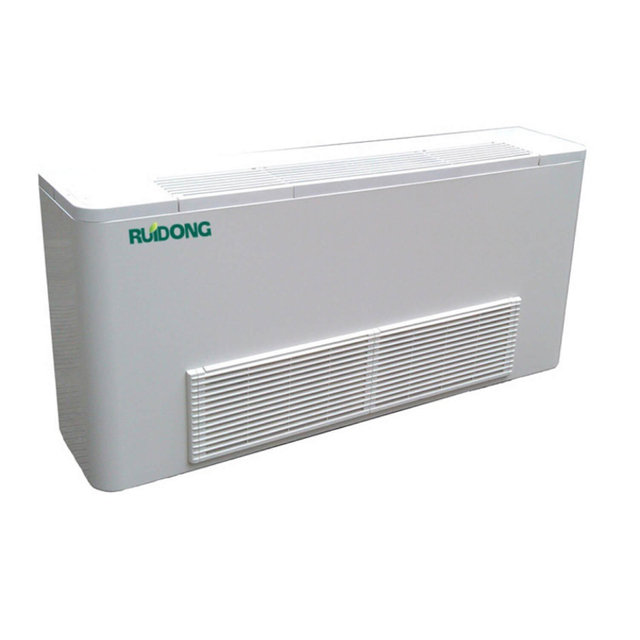
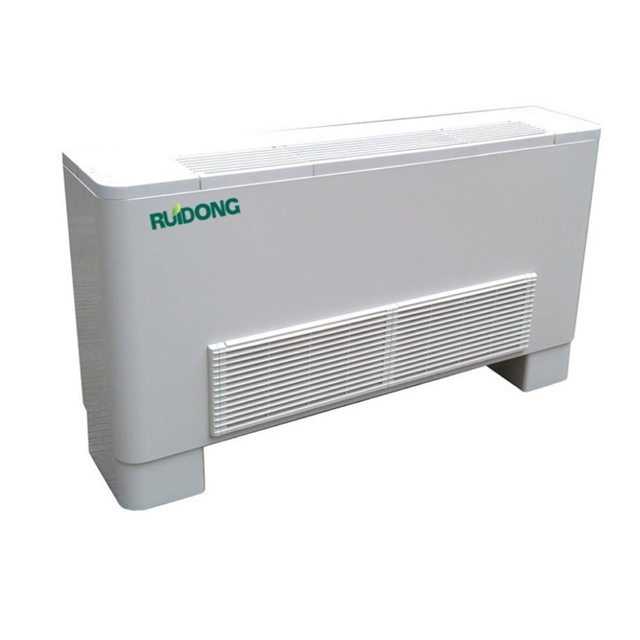
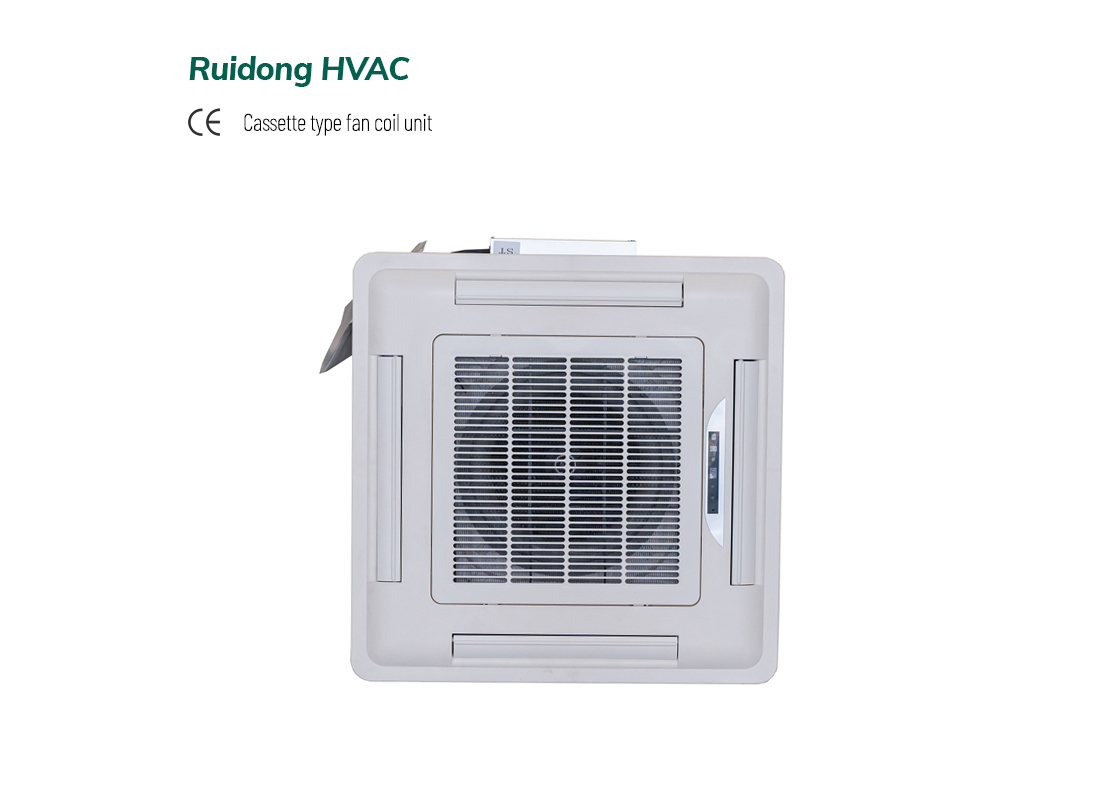
● Common types include concealed fan coil units, floor/ceiling fan coil units, and cassette fan coil units.
● Most fan coil unit systems use chilled water or hot water rather than direct refrigerant expansion.
● A fan coil unit offers zoning flexibility, compact installation, and independent room control.
● Proper fan coil unit selection depends on capacity, airflow, noise level, and installation type.
A fan coil unit starts by drawing room air into the unit and moving it across the internal coil. After heat transfer takes place, the fan coil unit sends the conditioned air back into the room. This allows the fan coil unit to serve one space directly without relying on large air ducts.
The coil is where the fan coil unit performs heating or cooling. In cooling mode, chilled water absorbs heat from the air, while in heating mode, hot water warms the air before it returns to the room. This water-based process is a defining feature of a hydronic fan coil unit.
A fan coil unit is usually controlled by a thermostat, valve, or controller that responds to room temperature. Each fan coil unit can operate independently, which makes it suitable for buildings with different room loads and schedules. This is one reason the fan coil unit is common in hotels, apartments, and office zones.
The fan moves air through the fan coil unit and has a direct impact on airflow, comfort, and noise performance. In concealed fan coil units, the fan may also need to handle a certain amount of external static pressure. Consistent fan performance is important for reliable fan coil unit operation.
The coil is the thermal center of the fan coil unit. Its design affects cooling or heating capacity, operating efficiency, and condensate behavior during use. When the coil is clean and properly sized, the fan coil unit can maintain more stable indoor comfort.
The control system determines how the fan coil unit responds to indoor conditions. It may include a thermostat, motorized valve, and fan-speed control. A properly configured control system helps the fan coil unit operate with better accuracy and efficiency.
Fan coil unit type | Installation style | Typical applications | Main feature |
Concealed fan coil units | Hidden above ceiling or in service void | Hotels, apartments, offices | Clean appearance |
Floor/ceiling fan coil units | Exposed floor-mounted or ceiling-suspended | Residential, retrofit, light commercial | Flexible placement |
Cassette fan coil units | Recessed in ceiling with visible panel | Offices, retail, restaurants | Even air distribution |
A fan coil unit allows each room or zone to be managed independently. This is especially useful in residential, industrial, and commercial buildings where occupancy and thermal loads differ from one space to another. As a result, the fan coil unit supports more precise local comfort control.
A fan coil unit delivers heating and cooling in a compact format, making it a practical choice for projects with limited wall or ceiling space. Concealed fan coil units, floor/ceiling fan coil units, and cassette fan coil units each provide different layout benefits. This versatility makes the fan coil unit suitable for both new construction and retrofit applications.
In many hydronic systems, a fan coil unit can be easier to integrate than larger all-air terminal solutions. It mainly requires piping, drainage, power, and controls instead of extensive local ductwork. Even so, proper installation remains important because the fan coil unit depends on correct drainage, secure mounting, and reliable water flow.
A fan coil unit can operate efficiently when it is matched to spaces with different load patterns and usage schedules. Since each fan coil unit serves a local zone, lightly occupied or unused rooms do not always require the same level of conditioning as busier areas. This makes the fan coil unit a practical option in compartmented building layouts.
Because the fan and motor are located close to the occupied space, a fan coil unit may produce noticeable noise if it is not selected carefully. Fan speed, installation quality, and maintenance condition all affect acoustic performance. This is particularly important in bedrooms, offices, and hotel rooms.
A standard fan coil unit can remove some moisture during cooling, but it is not typically intended as a dedicated humidity-control device. In humid climates or areas with strict moisture requirements, the fan coil unit often needs support from other HVAC equipment. This should be taken into account during system planning.
A fan coil unit usually recirculates indoor air rather than supplying enough outdoor air for ventilation. As a result, most fan coil unit systems are paired with a separate fresh-air or ventilation system. This arrangement is common in many residential and commercial HVAC designs.
Selection factor | Why it is important |
Airflow rate | Influences circulation and comfort |
Cooling/heating capacity | Must match room load |
Static pressure | Important for concealed fan coil units |
Installation type | Affects layout and appearance |
Noise level | Important in occupied spaces |
Control method | Affects flexibility and response |
A fan coil unit is widely used in offices, retail spaces, restaurants, meeting rooms, and hotels. Cassette fan coil units are common in suspended ceilings, while concealed fan coil units are often chosen where a cleaner interior look is preferred. The fan coil unit performs well in commercial spaces that require room-by-room comfort control.
In apartments, villas, and multi-family housing, a fan coil unit supports quiet and flexible room conditioning. Concealed fan coil units are often used where interior appearance is a priority, while floor/ceiling fan coil units can work well in practical retrofit situations. Because of this, the fan coil unit is a common solution in modern residential HVAC design.
A fan coil unit is often a good fit for renovation work because it can adapt to limited ceiling space and existing building conditions. Floor/ceiling fan coil units are particularly useful where concealed installation is difficult. This makes the fan coil unit a practical choice for upgrading older buildings.

A dirty filter reduces airflow and can lower fan coil unit performance. Regular filter cleaning or replacement helps the fan coil unit operate more efficiently and limits dust buildup on internal components. This is one of the most basic yet important maintenance tasks.
The coil should be inspected because dirt on the fin surface reduces both heat transfer and airflow. If the coil becomes blocked, the fan coil unit may provide weak cooling or heating. Routine cleaning helps the fan coil unit maintain steady performance.
A hydronic fan coil unit depends on stable chilled water or hot water flow. Issues such as poor balancing, valve faults, or air in the piping can reduce capacity even when the unit appears to be functioning normally. For that reason, water-side inspection is an important part of fan coil unit maintenance.
The fan and motor should be checked for dirt, vibration, and secure mounting. If these parts wear over time or become unbalanced, the fan coil unit may become noisy or lose airflow. Regular inspection supports smoother and more dependable operation.
A fan coil unit is a practical HVAC terminal for localized heating and cooling in residential, industrial, and commercial buildings. With options such as concealed fan coil units, floor/ceiling fan coil units, and cassette fan coil units, the fan coil unit offers compact installation, zoning flexibility, and effective room control. For projects comparing different fan coil unit configurations, Ruidong Group Co., Ltd provides related product information and application reference for modern HVAC requirements.
A fan coil unit works by drawing room air across a coil that contains chilled water or hot water. The coil cools or heats the air, and the fan coil unit then sends the conditioned air back into the room. The unit is usually controlled by a thermostat or valve.
Most hydronic fan coil unit systems do not use refrigerant directly at the terminal. Instead, the fan coil unit uses water in the coil, while refrigerant remains in upstream cooling equipment. This is a key difference between a fan coil unit and many DX indoor units.
A fan coil unit is commonly used in residential, industrial, and commercial buildings. Typical applications include apartments, hotels, offices, retail spaces, and renovation projects. The fan coil unit is valued for its compact design and local temperature control.
The main types of fan coil unit include concealed fan coil units, floor/ceiling fan coil units, and cassette fan coil units. Each fan coil unit type is suited to different architectural and installation needs. The best choice depends on layout, airflow, and maintenance access.