Views: 50 Author: Site Editor Publish Time: 2026-05-14 Origin: Site


A fan coil unit is a core terminal device in hydronic HVAC systems used in residential, industrial, and commercial buildings. It delivers cooling or heating by moving room air across a chilled-water or hot-water coil, then supplying conditioned air back into the occupied space. In practical projects, fan coil unit installation quality affects airflow balance, thermal comfort, condensate control, noise, and long-term maintenance performance.
A successful fan coil unit installation is not limited to setting the unit in place and connecting pipes. The process must account for load conditions, structural support, piping layout, drainage slope, electrical wiring, service clearance, and commissioning standards. Whether the project uses concealed fan coil units, floor/ceiling fan coil units, or cassette fan coil units, the installation method should match actual site conditions and technical requirements.
● Proper fan coil unit installation begins with site review, load checks, and code compliance.
● Floor-mounted and ceiling-mounted fan coil unit systems require different support and positioning methods.
● Piping, insulation, drainage, wiring, and controls all affect fan coil unit performance.
● Testing and commissioning confirm whether the fan coil unit operates safely and efficiently.
● Correct installation reduces leakage, noise, vibration, and future service issues.
A fan coil unit draws return air through a filter and passes it across a water coil to cool or heat the air before discharge. The actual output of a fan coil unit depends on airflow volume, water temperature, coil condition, and fan performance rather than nameplate capacity alone. In hydronic systems, the fan coil unit is often selected for zone-level control in residential, industrial, and commercial buildings.
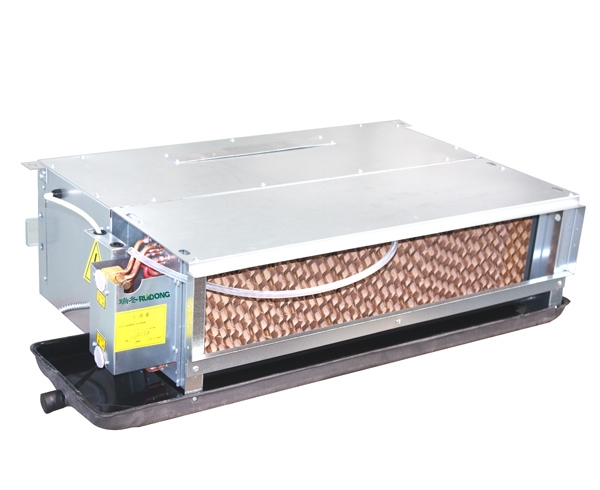
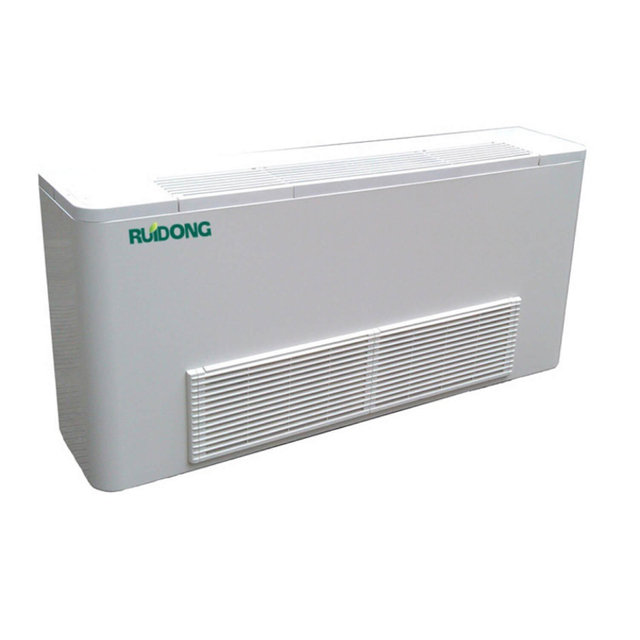
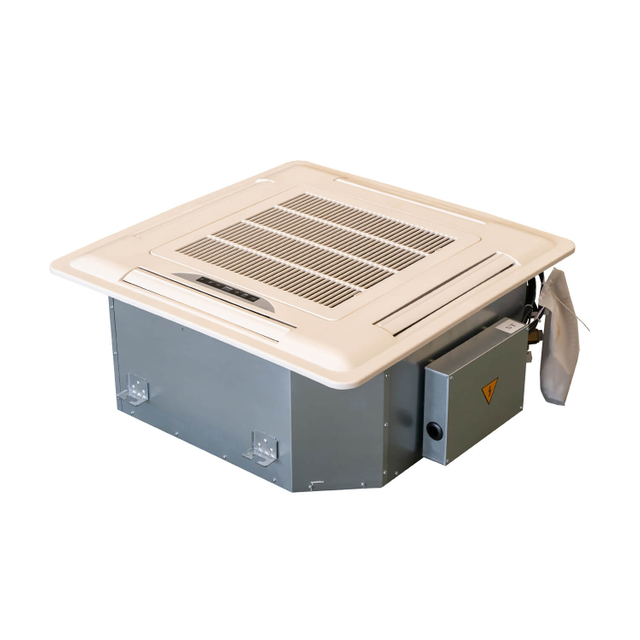
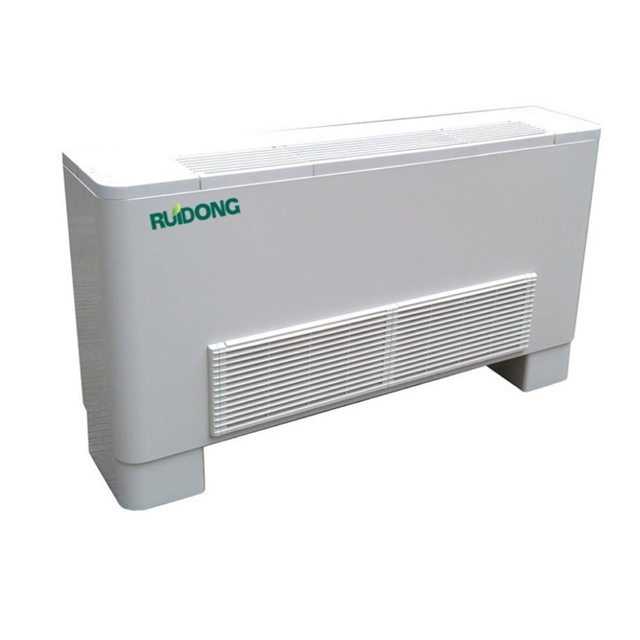
A fan coil unit is widely used in apartments, offices, hotels, schools, technical rooms, and retail areas. Concealed fan coil units are common where interior appearance is important, while floor/ceiling fan coil units are often used where direct access is preferred. Cassette fan coil units are suitable for suspended ceiling layouts that require broad air distribution.
Even a correctly selected fan coil unit can perform poorly if installation quality is weak. Incorrect mounting, poor condensate drainage, or unbalanced wiring can reduce fan coil unit efficiency and create operational complaints. In finished interiors, correcting a badly installed fan coil unit can be costly and disruptive.
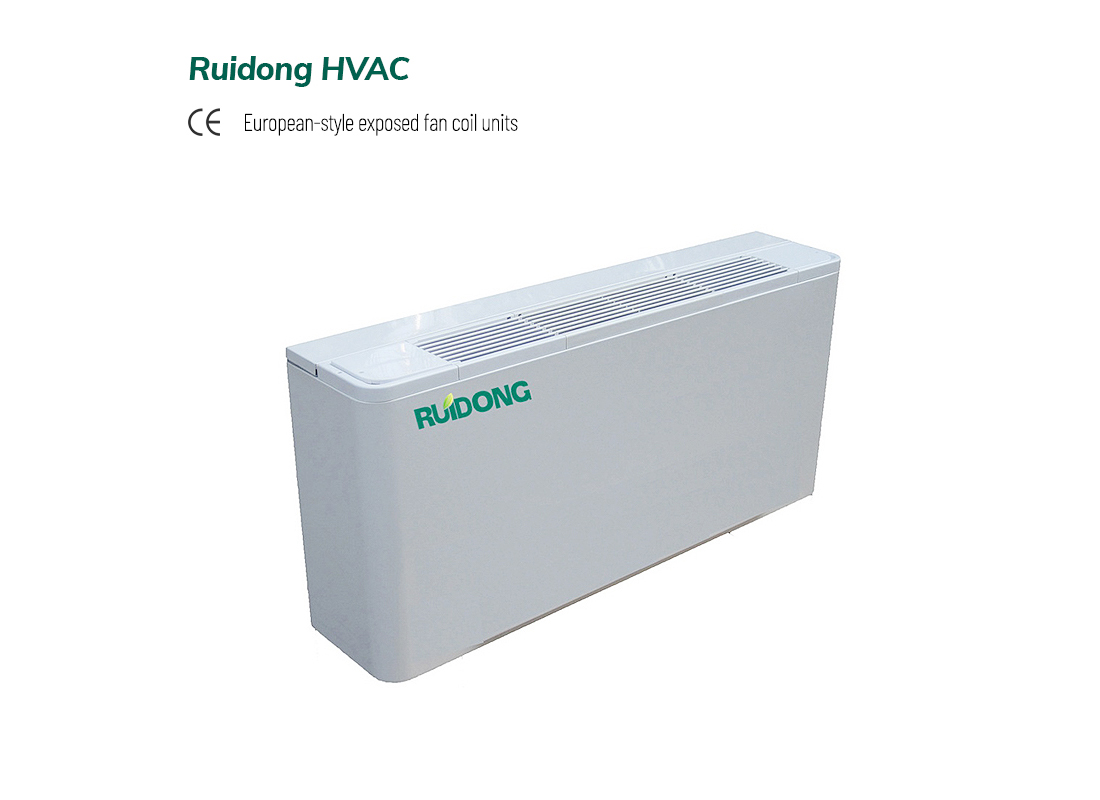
Before installing a fan coil unit, the site should be checked for room load, layout restrictions, ceiling height, and access conditions. A fan coil unit serving perimeter zones may face different load conditions from one installed in an internal room. Pipe routing, control wiring paths, and maintenance access should all be confirmed before the unit arrives on site.
Typical fan coil unit projects review external static pressure, chilled water temperature, drain slope, and service clearance during planning. These reference values are not universal design limits, but they help guide practical installation decisions. In commercial and industrial buildings, the layout should also account for vibration isolation and operating noise expectations.
Every fan coil unit installation should follow local building, mechanical, electrical, and drainage codes. The unit location must also satisfy fire access, ceiling coordination, and condensate discharge rules where required. For larger commercial projects, the installation sequence should align with approved HVAC drawings and site inspection procedures.
The first practical step in fan coil unit installation is marking the unit position according to piping direction, airflow pattern, and service access. A fan coil unit should not be placed where return air is blocked or where discharge air immediately short-circuits back to the intake. The installation point should provide stable support and enough room for valve sets, drain piping, and electrical connection.
Once the position is confirmed, the fan coil unit should be fixed using the mounting method specified for the model type. The support system must carry the operating weight of the fan coil unit and remain stable during fan operation. Poor fastening can lead to vibration, casing noise, and long-term misalignment.
After mounting, the fan coil unit is connected to supply and return piping, drain piping, and insulation materials. Water connections should be aligned carefully so the coil headers are not stressed by pipe movement. Drain lines, valve assemblies, and insulation finish all influence whether the fan coil unit remains stable during cooling operation.

A ceiling-mounted fan coil unit is common in offices, hotels, corridors, clinics, and other projects using suspended ceilings. Concealed fan coil units and cassette fan coil units are both widely used ceiling-mounted formats, depending on air distribution needs. This arrangement keeps the terminal device out of the main occupied view while preserving usable floor area.
A ceiling-mounted fan coil unit must be supported from suitable structural points rather than light ceiling framing alone. The suspension system should keep the unit level, stable, and isolated from unnecessary vibration transfer. In larger commercial fan coil unit projects, rod spacing and hanger arrangement should match equipment weight and manufacturer guidance.
Condensate drainage is one of the most critical parts of ceiling-mounted fan coil unit installation. A ceiling-mounted fan coil unit should have a stable drain slope, sealed joints, and a route that avoids backflow or standing water. If the unit serves humid environments, drain pan inspection access becomes especially important.
A ceiling-mounted fan coil unit may leak into finished spaces if the drain line lacks proper slope or is trapped incorrectly. During installation, the drain should be tested with water before final ceiling closure. Persistent odor, overflow, or slow drainage usually indicates that the drain arrangement needs correction.
Installation Type | Common Use Area | Main Installation Focus | Main Risk |
Floor-mounted fan coil unit | Apartments, hotels, retrofit rooms | Level placement and airflow path | Obstructed discharge or visible noise |
Ceiling-mounted fan coil unit | Offices, corridors, commercial ceilings | Structural suspension and drainage | Leakage, vibration, poor access |
Cassette fan coil unit | Open commercial areas | Ceiling fit and air distribution | Drain failure and uneven throw |
Each fan coil unit should be wired according to its voltage, phase, and protection requirements. The electrical supply for the fan coil unit must match the rated motor and control components to avoid unstable operation. In industrial and commercial buildings, the fan coil unit circuit should also align with site isolation and maintenance safety procedures.
A fan coil unit may be connected to wall thermostats, valve actuators, fan-speed selectors, or building management systems. Control wiring should be labeled clearly so the fan coil unit responds correctly to cooling, heating, and fan commands. Incorrect sequencing can cause a fan coil unit to run with poor temperature control or unnecessary energy use.
Loose terminals or poorly routed cable can affect fan coil unit reliability over time. Electrical access should remain practical after the fan coil unit is enclosed or ceiling finishes are completed. In concealed fan coil units, inspection points should allow future servicing without dismantling major building finishes.
In a commercial office, a ceiling-mounted fan coil unit often shares space with lighting, ductwork, cable trays, and fire systems. The fan coil unit installation sequence should therefore be coordinated early to preserve service clearance and drain slope. Where open-plan comfort is important, cassette fan coil units may be selected to improve air spread across the occupied zone.
In hotel projects, concealed fan coil units are frequently chosen to maintain interior appearance and acoustic control. A hotel fan coil unit must be installed with careful attention to drain noise, panel access, and vibration isolation because guest comfort is sensitive to minor defects. Floor/ceiling fan coil units may still be used in selected hospitality zones where maintenance access is a higher priority.
Before startup, the fan coil unit should be inspected for mounting stability, valve position, insulation continuity, and drain integrity. The fan coil unit casing, fan wheel, and filter section should also be checked for transport damage or internal debris. These early checks reduce the risk of startup failure.
Once energized, the fan coil unit should be tested for fan speeds, thermostat response, valve action, and proper airflow. During cooling operation, the fan coil unit drain should be observed to confirm smooth condensate removal. Water-side temperature difference and air-side discharge condition can indicate whether the fan coil unit is operating within expected range.
The final review of a fan coil unit should confirm acceptable noise, stable control behavior, and service accessibility. In commercial and industrial buildings, the fan coil unit may also be included in balancing and commissioning records. A documented handover improves consistency for future operation and maintenance.
Check Item | What to Confirm | Risk if Ignored |
Mounting | Level, secure, vibration controlled | Noise and instability |
Piping | Tight joints, valve access, insulation | Leakage and condensation |
Drainage | Proper slope and test discharge | Overflow and ceiling damage |
Wiring | Correct terminal and control sequence | Malfunction or unsafe operation |
Airflow | Clear return and supply path | Weak comfort performance |
A fan coil unit installed without enough access for filters, coils, or valves will be harder to maintain properly. In concealed fan coil units, this mistake often appears only after ceilings are closed. Long-term fan coil unit performance usually declines when service access is ignored.
One of the most common fan coil unit problems is condensate leakage caused by poor slope, weak insulation, or loose joints. A ceiling-mounted fan coil unit is especially vulnerable because even a small drain failure can damage interior finishes. Proper insulation around the fan coil unit coil and piping is also necessary to limit external condensation.
A fan coil unit may appear mechanically complete but still operate poorly if thermostat logic or valve wiring is incorrect. Wrong fan-speed connection or poor control sequence can leave the fan coil unit running continuously without proper temperature response. Testing each mode is essential before the fan coil unit is released for use.
After installation, the fan coil unit should remain accessible for filter replacement, coil cleaning, and drain inspection. A fan coil unit that is difficult to open or inspect may suffer gradual airflow loss and hygiene decline. Service planning is especially important in commercial and industrial buildings with long operating hours.
Routine inspection helps a fan coil unit maintain design airflow, water-side performance, and control stability. In residential buildings, the fan coil unit may require lighter maintenance intervals, while commercial fan coil unit operation often demands more frequent checks. Consistent upkeep reduces the risk of emergency shutdowns.
When specifying a fan coil unit, it is useful to review whether piping access, drain layout, and service panels match the intended installation method. Some projects may combine concealed fan coil units, floor/ceiling fan coil units, and cassette fan coil units across different zones. A coordinated fan coil unit strategy improves installation efficiency and later maintenance consistency.
A reliable fan coil unit installation depends on more than basic mounting and connection work. The final result is shaped by planning, structural support, piping quality, condensate drainage, wiring integration, and disciplined commissioning across residential, industrial, and commercial buildings. Whether the project uses concealed fan coil units, floor/ceiling fan coil units, or cassette fan coil units, the installation method should always match real operating conditions and service requirements.
For projects evaluating technical configurations and equipment options, Ruidong Group Co., Ltd provides fan coil unit solutions for different application needs, including installation formats suited to a wide range of hydronic HVAC projects.
The most critical part of fan coil unit installation is the coordination of mounting, drainage, piping, and controls. A fan coil unit with poor drain slope or wiring errors can fail even if the unit itself is correctly sized. Installation quality directly affects comfort and service life.
A ceiling-mounted fan coil unit requires structural suspension, careful condensate drainage, and ceiling access planning. A floor-mounted fan coil unit is generally easier to access but requires stronger attention to airflow obstruction and visible acoustic impact. Each fan coil unit type has different installation priorities.
A fan coil unit may leak because of blocked drain lines, poor slope, damaged insulation, or an uneven unit position. In ceiling-mounted fan coil unit systems, drainage failure can quickly affect adjacent finishes. Water testing before handover is standard good practice.