Views: 88 Author: Site Editor Publish Time: 2026-05-14 Origin: Site


A fan coil unit is a common terminal device in hydronic HVAC systems used in residential, industrial, and commercial buildings. It conditions indoor air by moving room air across a coil filled with chilled water or hot water, then sending the treated air back into the space. Because a fan coil unit works close to the occupied zone, regular service is essential for airflow, heat transfer, drainage, hygiene, and stable long-term performance.
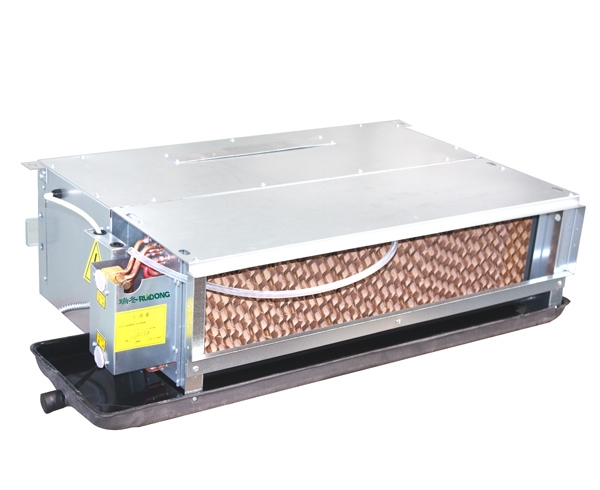
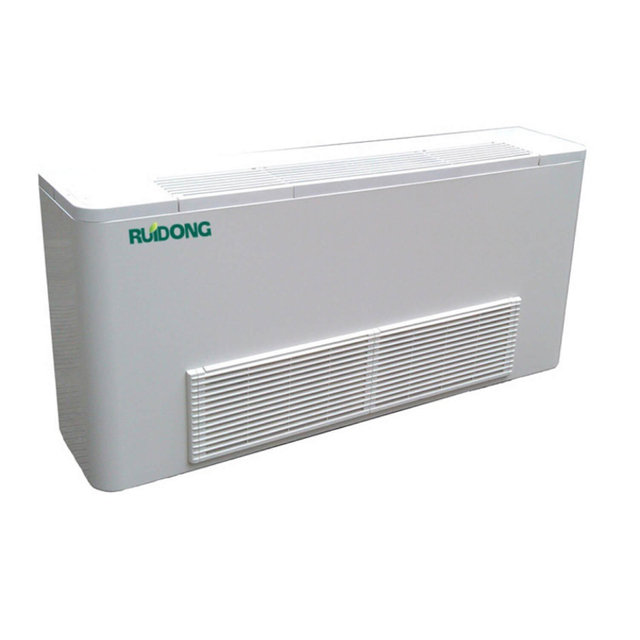
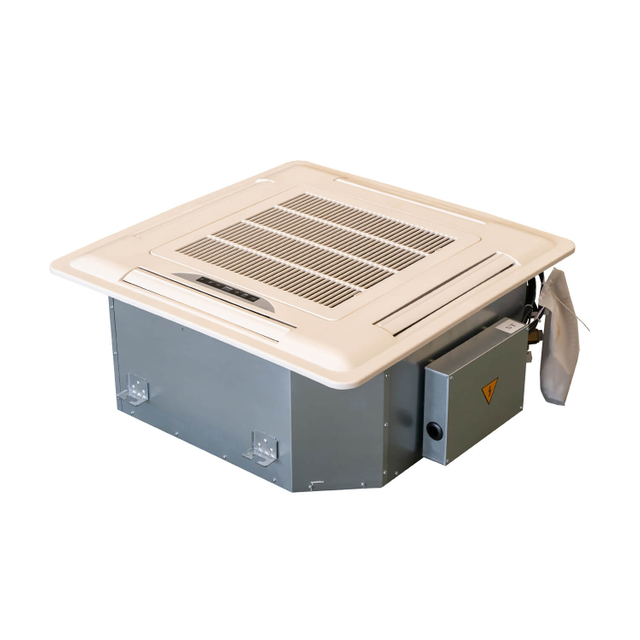
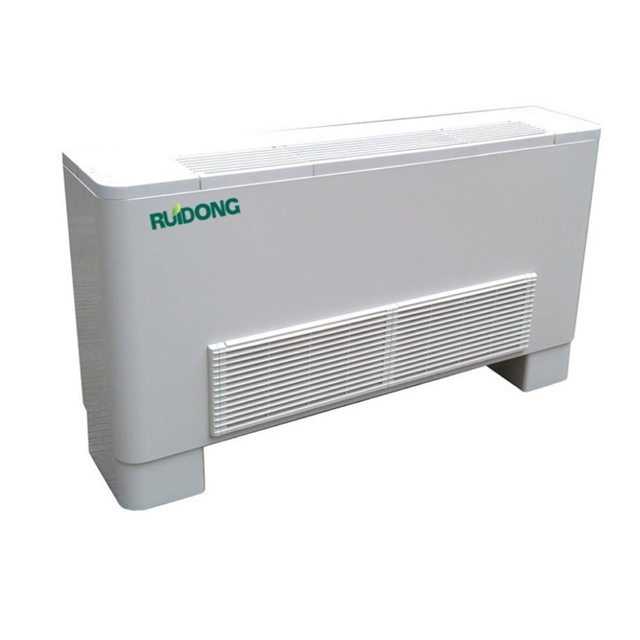
Knowing how to service a fan coil unit involves more than basic cleaning. A complete routine includes filter care, coil cleaning, drain inspection, fan maintenance, motor checks, valve inspection, control testing, and final operation verification. This applies to concealed fan coil units, floor/ceiling fan coil units, and cassette fan coil units across a wide range of project conditions.
● A fan coil unit should be serviced regularly to maintain airflow, coil efficiency, drainage, and control accuracy.
● Full fan coil unit service includes filter cleaning, coil inspection, drain cleaning, fan checks, and control testing.
● Service frequency depends on dust level, humidity, occupancy, and operating hours.
● Concealed fan coil units, floor/ceiling fan coil units, and cassette fan coil units require similar core maintenance with different access methods.
● A neglected fan coil unit may develop weak airflow, leakage, odor, noise, and higher energy use.
To service a fan coil unit properly means cleaning and inspecting internal components rather than only wiping the outer panel. The filter, coil, drain pan, drain line, fan, motor, valves, and controls all affect how the fan coil unit performs in daily operation. If only visible dust is removed, the deeper causes of weak airflow or poor cooling may remain.
A standard fan coil unit service routine begins with shutting off power and opening the access panel. The technician then checks the filter, coil, fan section, drain system, and controls for dirt, wear, blockage, or irregular operation. After cleaning and inspection, the fan coil unit should be tested again to confirm airflow, drainage, and response.
A fan coil unit usually loses performance gradually rather than failing at once. Dust buildup, moisture problems, and airflow restriction can reduce comfort long before the unit stops working. Regular service keeps each fan coil unit operating closer to its intended condition and reduces unplanned issues.
The performance of a fan coil unit depends on clean airflow paths and effective heat transfer. A blocked filter or dirty coil reduces the amount of air moving through the fan coil unit, which lowers heating or cooling output. Even when water temperature is correct, the unit may still perform poorly if air-side components are dirty.
During cooling mode, a fan coil unit produces condensate that must drain away properly. If the drain pan or line becomes blocked, the fan coil unit may leak water, develop odor, or create hygiene concerns. This is especially important in concealed fan coil units, where leaks may remain unnoticed until surrounding finishes are damaged.
Dust on fan blades can lead to vibration and noise, while motor wear or loose mountings can reduce reliability. Valve or thermostat issues may also cause a fan coil unit to deliver unstable room conditions even when the filter and coil are clean. Regular inspection makes these problems easier to identify before they become more serious.
There is no single schedule that fits every fan coil unit. A unit in a clean apartment may need less frequent service than a fan coil unit in a busy commercial space or dusty industrial building. Dust load, operating hours, and humidity all influence how quickly internal components become dirty.
The chart below shows a practical service schedule for different environments where a fan coil unit is installed.
Environment | Recommended Service Frequency | Main Focus |
Residential (normal dust) | Every 6–12 months | Filter, coil surface, drain pan |
Commercial or office spaces | Every 3–6 months | Airflow, filter loading, fan cleaning |
Industrial or high-dust areas | Every 1–3 months | Coil fouling, fan dirt, drain blockage |
Hotels and hospitals | Quarterly | Hygiene, noise, continuous operation |
In actual operation, a fan coil unit showing weak airflow, odor, visible dust, or water leakage should be serviced immediately. Condition-based maintenance is often more practical than relying only on a fixed calendar.
Many sites schedule fan coil unit service before peak cooling or heating seasons. This reduces the risk of breakdowns or comfort complaints during periods of heavy use. A second inspection after the main season can also be useful, especially where the fan coil unit runs for long hours in humid conditions.

The first step is to disconnect power to the fan coil unit and make sure it cannot restart during service. The access panel or grille is then removed so the internal parts can be inspected safely. In concealed fan coil units, access may come through a service hatch, while floor/ceiling fan coil units and cassette fan coil units are often easier to open directly.
The filter is one of the most important parts of a fan coil unit because it directly affects airflow. A dirty filter increases resistance and weakens room air circulation, which reduces overall performance. Reusable filters can be cleaned and fully dried, while damaged or heavily clogged filters should be replaced.
The coil is the heat-transfer core of the fan coil unit and should be cleaned carefully. Dust on the coil fins reduces thermal efficiency and can prevent the fan coil unit from reaching its intended cooling or heating capacity. A soft brush or vacuum works for light dirt, while heavier fouling may require a more thorough cleaning process.
The drain pan and condensate line should always be checked during fan coil unit service. If water cannot drain properly, the fan coil unit may leak or develop musty smells. In residential, industrial, and commercial buildings, drain problems are among the most common service findings during the cooling season.
Dust on the fan wheel can reduce airflow and create imbalance inside the fan coil unit. The motor should also be checked for unusual noise, vibration, loose mounting, or other signs of wear. A clean fan and stable motor help the fan coil unit run more quietly and consistently.
A fan coil unit should not be considered fully serviced until the controls are checked and the unit is tested in operation. Thermostats, valves, and fan-speed controls all affect how the fan coil unit responds to room demand. After reassembly, the unit should be run again to confirm airflow, drainage, noise level, and temperature response.
Weak airflow usually points to a dirty filter, a fouled coil, fan contamination, or motor-related issues inside the fan coil unit. These conditions reduce how much conditioned air the unit can deliver into the room. In many cases, routine fan coil unit service restores acceptable output without major repairs.
Water leakage often indicates a blocked drain line, dirty pan, or poor condensate flow inside the fan coil unit. Musty odor can also develop when moisture and dust remain in the unit for long periods. Regular cleaning of the coil and drain section helps keep the fan coil unit more hygienic and reliable.
Noise from a fan coil unit may come from dirty fan blades, vibration, loose parts, or motor wear. Control issues can appear as unstable fan speed, poor room temperature control, or delayed response. A complete service routine should therefore include both mechanical inspection and functional testing.

A simple checklist helps keep fan coil unit service consistent across different projects and installation types. Whether the site uses concealed fan coil units, floor/ceiling fan coil units, or cassette fan coil units, the same core points should be reviewed.
Service Task | What to Check | Risk If Ignored |
Filter service | Dust load, damage, fit | Weak airflow, faster fouling |
Coil cleaning | Dirt, fin blockage | Reduced capacity, longer run time |
Drain inspection | Pan cleanliness, line blockage | Leakage, odor, hygiene issues |
Fan cleaning | Blade dirt, balance | Noise, vibration, lower airflow |
Motor inspection | Heat, wear, mounting | Mechanical failure, unstable operation |
Valve and control check | Response, sensor function | Poor temperature control |
Concealed fan coil units require careful access planning because many internal problems are not visible from outside the ceiling. Floor/ceiling fan coil units are easier to inspect directly, but their exposed location makes dirt and noise more noticeable. Cassette fan coil units need close attention to discharge balance, grille cleanliness, and condensate drainage after service.
A fan coil unit operates more reliably when service includes filters, coils, drains, fans, motors, valves, and controls rather than basic surface cleaning alone. With proper maintenance, a fan coil unit in residential, industrial, and commercial buildings can maintain stronger airflow, cleaner operation, more stable cooling or heating, and lower risk of leakage or noise. For projects comparing different fan coil unit configurations and application needs, Ruidong Group Co., Ltd provides related product information and technical reference for hydronic HVAC systems.
To service a fan coil unit correctly, disconnect power, open the unit, clean or replace the filter, clean the coil, inspect the drain, clean the fan, check the motor, verify valves and controls, and then test operation. A complete fan coil unit service covers both cleaning and performance verification.
A fan coil unit is often serviced every 6–12 months in residential settings, every 3–6 months in commercial buildings, and every 1–3 months in high-dust industrial areas. The correct interval depends on operating hours, dust conditions, and moisture load.
Basic filter cleaning and light surface cleaning can be done if access is simple and power is safely isolated. Deeper fan coil unit service involving the coil, drain, motor, or controls is often better handled by trained personnel, especially for concealed fan coil units.