

A fan coil unit is a compact HVAC terminal device used to heat or cool a specific room or zone. In residential, industrial, and commercial buildings, a fan coil unit works by moving air across a coil filled with chilled water or hot water, then sending conditioned air back into the space. Because a fan coil unit supports flexible installation and localized temperature control, it is widely used in modern HVAC system design.
● A fan coil unit is an HVAC terminal that uses a fan and coil to control room temperature.
● A fan coil unit is widely used in residential, industrial, and commercial buildings.
● Main types include concealed fan coil units, floor/ceiling fan coil units, and cassette fan coil units.
● Most fan coil unit systems use chilled water or hot water rather than direct refrigerant expansion.
● A fan coil unit offers quiet operation, flexible placement, and individual room control.
● Proper fan coil unit selection depends on airflow, capacity, installation method, and control needs.
A fan coil unit is a terminal HVAC device that combines a fan with a heat exchange coil. Rather than serving an entire building from a central air distribution point, it is designed to condition a single room or zone. In many hydronic systems, the FCU is the last piece of equipment in the chain, delivering heating or cooling directly where occupants need it.
In a larger HVAC setup, an FCU uses hot water or chilled water from central plant equipment to provide local comfort control. This makes it possible to manage temperatures room by room, which is especially useful in buildings where occupancy patterns and thermal loads vary throughout the day. That is why FCUs are often found in hotels, apartments, office buildings, and utility areas within industrial facilities.
Fan coil units are used across residential, commercial, and industrial projects because they fit a wide range of building types. Typical applications include bedrooms, hotel guestrooms, office areas, meeting rooms, retail spaces, and back-of-house support rooms. Their adaptability makes them a practical option for projects that need compact equipment and effective zoning.

The fan moves room air through the unit and pushes it back into the space after conditioning. Its performance influences airflow, occupant comfort, and noise level. A well-designed FCU should deliver steady air movement without creating unnecessary sound.
The coil is where heat transfer takes place. During cooling, chilled water removes heat from the air; during heating, hot water adds warmth. Coil design plays a major role in both the unit’s capacity and its overall efficiency.
Most FCUs also include a filter, a drain pan, and a control assembly. The filter helps limit dust buildup, the drain pan collects condensate during cooling, and the controls manage fan speed and temperature settings. Together, these components support reliable day-to-day operation.
In cooling mode, warm room air is drawn across a chilled-water coil. As the air passes over the coil, its temperature drops, and moisture may condense if the coil surface is cold enough. The cooled air is then supplied back into the room.
In heating mode, room air passes over a warm-water coil. The unit then recirculates that heated air into the occupied space, helping maintain comfortable indoor conditions during colder weather.
One of the main advantages of an FCU is that each unit can respond to the needs of its own room or zone. Different spaces in the same building do not have to be conditioned in exactly the same way. This makes FCUs especially useful where occupancy and load conditions change from room to room.

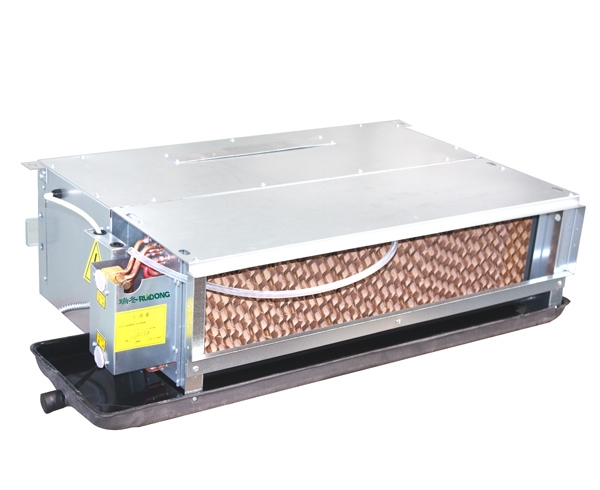
A concealed FCU is typically installed above a ceiling or inside a service void, keeping the equipment out of sight. It is often selected for projects where interior appearance matters and exposed HVAC equipment is undesirable. These units are also suitable where low noise and different static pressure options are important.
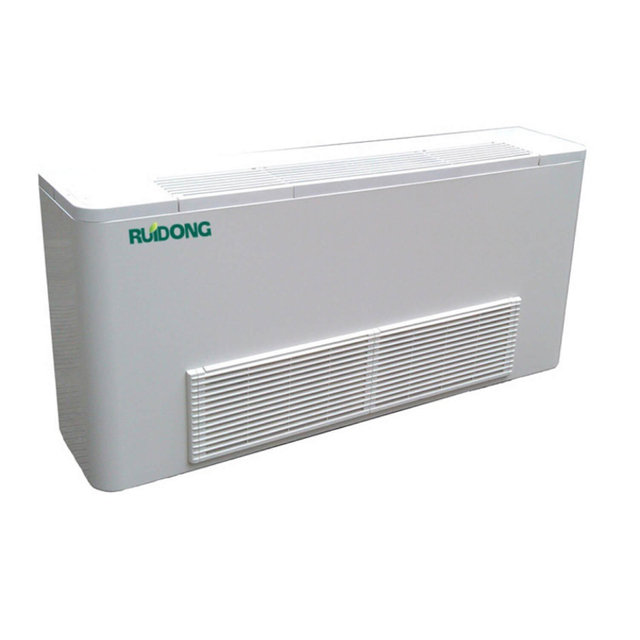
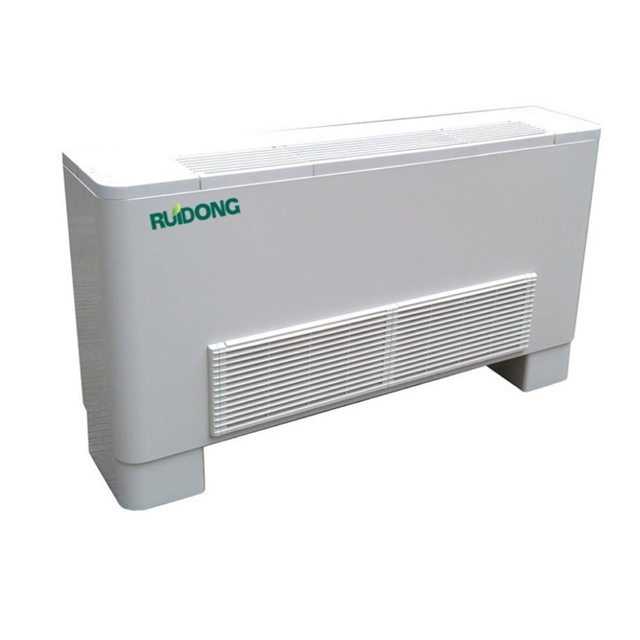
A floor/ceiling unit can be mounted low on a wall or suspended near the ceiling, depending on the space. This flexibility makes it a good choice for retrofit applications or projects where concealed installation is difficult. It is also appreciated for relatively easy access during maintenance.
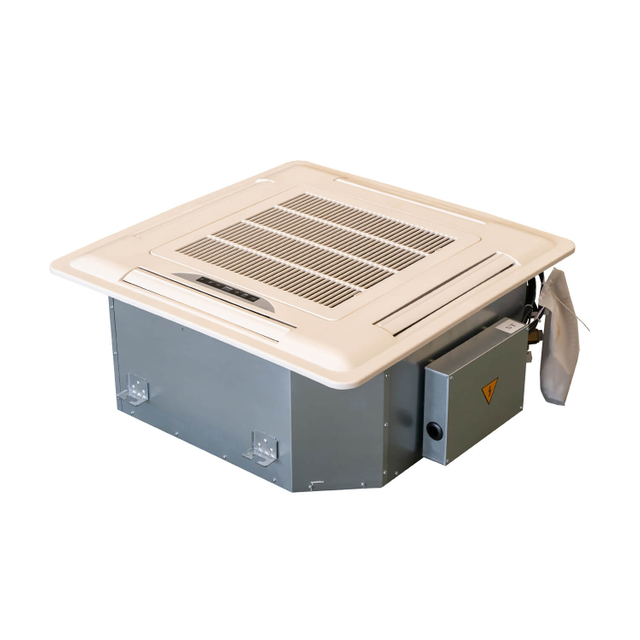
A cassette FCU is recessed into the ceiling, with only the decorative panel visible from below. This style is widely used in commercial settings because it can distribute air in multiple directions for more even coverage. Offices, shops, restaurants, and meeting rooms often use this type.
A 2-pipe system generally provides either heating or cooling, depending on the season. A 4-pipe system has separate hot-water and chilled-water circuits, allowing simultaneous heating and cooling in different areas if needed. The best choice depends on building operation, flexibility requirements, and project budget.
Fan coil unit type | Installation style | Common applications | Main advantage |
Concealed fan coil unit | Hidden above ceiling | Hotels, apartments, offices | Clean appearance |
Floor/ceiling fan coil unit | Exposed floor or ceiling mount | Residential, retrofit, light commercial | Flexible placement |
Cassette fan coil unit | Recessed in ceiling | Offices, retail, restaurants | Even air distribution |
FCUs are available in several configurations, which makes it easier to match them to architectural and project requirements. Concealed, floor/ceiling, and cassette styles allow designers to work with different room shapes and ceiling conditions. This installation flexibility is one reason the units are so widely adopted.
These units are often chosen for spaces where low noise and individual comfort control matter. Hotels, apartments, and offices benefit from the fact that each room or area can operate independently. That improves privacy and allows more precise temperature management.
Because conditioning takes place close to the occupied zone, FCUs can reduce the need for extensive ductwork in many applications. Their compact size also helps make better use of ceiling and wall space. In practice, they often provide a good balance between performance, footprint, and installation cost.
Each unit should be selected to match the room’s cooling or heating load as well as the required airflow. If the unit is too small, it may struggle to maintain comfort; if it is oversized, temperature control can become uneven. Proper sizing supports better long-term performance.
For cooling applications, condensate drainage must be handled correctly to prevent leakage. Water piping is equally important, since the unit depends on stable flow conditions to achieve its rated output. Good installation practice improves both reliability and service access.
In residential settings, placement should support comfort and quiet operation. In commercial spaces, ceiling coordination, occupancy patterns, and maintenance access become more important. In industrial support areas, designers often place greater emphasis on durability and ease of servicing.
Selection factor | Why it matters |
Airflow rate | Influences air circulation and occupant comfort |
Cooling/heating capacity | Must match the room load |
Static pressure | Important for concealed unit applications |
Installation type | Affects layout and visual integration |
Control method | Determines operating flexibility |
Noise level | Critical in occupied areas |
In most hydronic applications, the fan coil unit itself does not use refrigerant directly at the terminal. Instead, it relies on chilled water for cooling and hot water for heating. This is one of the main differences between an FCU and direct expansion equipment.
A DX indoor unit is connected to outdoor equipment by refrigerant piping, while an FCU is usually connected to a water loop. Both can cool a room, but the system arrangement is different. For that reason, FCUs are most often associated with chilled-water plants, district cooling, or other central water-based systems.
Regular cleaning helps maintain efficiency and stable performance. Filters, coils, and fan sections should be checked on a routine basis so airflow and heat transfer do not decline over time. A clean unit usually runs better and more quietly.
The drain pan and drain line should be inspected to prevent leaks, odors, and overflow issues. Controls should also be tested to confirm that the unit responds properly to thermostat settings and fan speed commands. Basic preventive maintenance can prevent many common operating problems.
If the unit is not cooling well or airflow seems weak, common causes include a dirty filter, a blocked coil, poor water flow, or a fan-related problem. Both the air side and the water side should be inspected. In many cases, a systematic check will quickly point to the source of the issue.
Water leakage is often related to a blocked drain or inadequate insulation. Unusual noise may be caused by fan imbalance, loose mounting, or dirt buildup inside the unit. If control performance is inconsistent, the thermostat, valve, or controller should also be examined.
A fan coil unit is a practical way to provide heating and cooling to individual rooms or zones in residential, commercial, and industrial buildings. With options such as concealed units, floor/ceiling models, and cassette styles, it offers flexibility in installation, quiet operation, and effective local control. For projects that require a wide selection of airflow, capacity, and installation options, Ruidong Group Co., Ltd provides fan coil unit solutions suited to modern HVAC applications.
A fan coil unit is used to heat or cool a specific room or zone. It works by moving air across a coil and returning conditioned air to the space. FCUs are commonly used in water-based HVAC systems where local comfort control is needed.
Not exactly. A standard room air conditioner typically uses direct refrigerant expansion, while a fan coil unit usually works with chilled water or hot water supplied from central equipment. The end result may be similar, but the system configuration is different.
In most cases, no refrigerant is used directly inside the fan coil terminal. The coil usually carries water, while refrigerant remains in upstream equipment such as chillers or other central cooling devices.